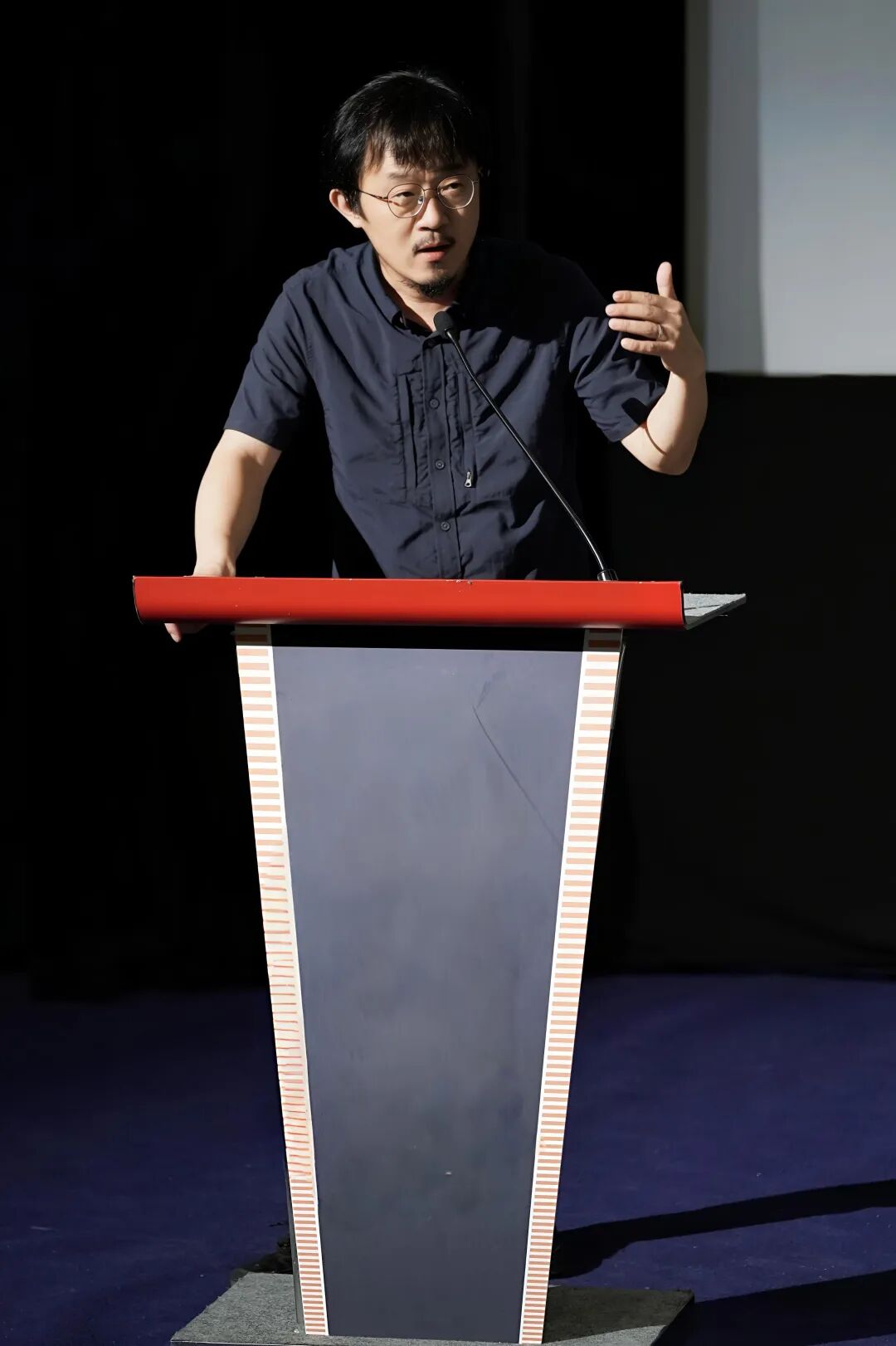
刘礼宾
中央美术学院艺术管理与教育学院艺术管理学系主任、教授、博士生导师
江西省政府“井冈学者”特聘教授(景德镇陶瓷大学)
采访手记:
在中国经济文化全面崛起的语境下,景德镇国际陶艺双年展正以独特姿态主动梳理并评判全球陶瓷艺术现象,通过话语实践重构全球陶瓷艺术的对话格局。
这种基于千年传统与当代生态的“主体性”建构,让双年展成为兼具学术视野与文化使命的思想现场。面向未来,刘礼宾指明了清晰路径:打破陶瓷圈层的自我禁锢,将创作置于更广阔的当代艺术问题域中审视;同时主动拥抱科技革命,在艺术与科技的深度融合里,催生兼具手工神韵与时代特质的新语言。
2026年双年展与IAC大会双线联动之际,一个“展览-论坛”深度互动的动态场域即将诞生,这或将成为中国陶瓷艺术从“主体建构”迈向“议题引领”的历史性节点。
Q:于伶娜
A:刘礼宾
Q:我们注意到“在地性”与“国际性”是当下文化讨论的两个关键词。首先能否请你从这两个角度谈谈,景德镇陶瓷双年展与意大利法恩扎、日本美浓、韩国利川等老牌陶艺展相比,有哪些根本性差异?
A:差异的核心背景是中国经济、政治、文化的向上发展,让我们能够依托自身千年陶瓷历史传统与当下发展——包括陶艺、工艺陶瓷等领域的持续推进,以全新国际语境审视全球陶瓷艺术。
以往国际老牌双年展虽具国际性,但中国此前的陶瓷展览多“在地性过强”,即便邀请国际艺术家,也多是“填空式”参与,缺乏基于自身立场的全球陶瓷艺术梳理与视觉呈现思路。而当下景德镇双年展的在地性,已升级为以国家为基础的“国别性”乃至“东方性”,我们有能力依托自身历史、传统与当下实践,形成对全球陶瓷艺术的独特视角和观点,这是与老牌双年展最核心的差异。
Q:除了国际上的双年展,国内近年来也涌现出许多陶艺双年展。你认为景德镇陶瓷双年展的核心竞争力或最大特点是什么?
A:双年展的核心竞争力与最大特点,均源于景德镇独特的生态优势。它拥有“不可复制的传统根基”,作为“千年瓷都”,其承载的陶瓷记忆、材质把握、文化叙事与艺术定位,是全球任何地区都难以比拟的。
它拥有“鲜活的当代转化”,近年来涌现出诸多陶瓷艺术新现象,传统工艺与当代理念不断融合创新;还拥有“强大的市场与创作生态”,聚集了全国陶瓷艺术创作的各类要素,“景漂”群体、陶溪川等工房、展览馆、美术馆形成联动,构建起辐射全国的艺术现象,这种生态在全球都极具特殊性。
它更具“学术立场的独立性”,区别于聚焦青白瓷、青花瓷等单一品类的地方性双年展——这类展览视野较狭窄,也区别于缺乏明确学术脉络的传统国家级双年展,景德镇双年展以“中国主体的全球视野”为核心,对全球陶瓷艺术进行梳理与评判,形成了独特的学术定位;作为活跃的艺术创作现场,它具有更强的国际吸引力,甚至超越传统国家级展览,艺术家在作品呈现与思考上会更贴合景德镇的生态特质,展现出不同面貌。
Q:你曾提出“策展应是学术思考的视觉化呈现”。你从第一届开始就参与景德镇双年展,至今三届将至。在这些年里,你观察到了哪些重要的趋势或现象变化?
A:发展变化最核心的是“国际性的深度放大”,前两届的积累让第三届的艺术家选择标准更清晰——不再局限于“知名艺术家”“国别代表艺术家”的标签,而是打破协会、国别等限制,以更严苛、平等的标准,真实、鲜活地呈现全球陶瓷艺术创作中的新特色、新现象和新面貌。
到了第三届,我期待这种选择能更彻底地打破既往的某些框架,让展览本身成为更具前瞻性和批判性的学术现场。
Q:长期以来,外界对景德镇等传统瓷区有一种“视野局限”的刻板印象,不少人认为作品难免带有“匠气”。如今的陶艺专业学生也常被批评“重技法、轻思考”。您觉得双年展能为改善这种现象带来哪些帮助?
A:许多创作者可能局限于个人的创作路径中,找不到方向,或者其创作观念背后的知识体系不够完善,对陶瓷的当代定位思考也有所欠缺。他们或许有一个“点子”,但并未想清楚这个“点子”在全球陶瓷创作的脉络中处于什么位置。
双年展集中呈现全球陶瓷艺术的创新实践,提供多元参照,让景德镇本地创作者和学生看到自身创作在全球语境中的位置,打破视野局限;针对“缺乏思考”的问题,双年展传递出的核心逻辑是:创作需以材质本身为基础,同时强化观念与知识体系,只有这样才能激发当代性,而国际优秀艺术家的作品正是这一逻辑的生动示范;双年展以丰富样态对传统创作理路形成挑战,带来直接冲击与启发,促使创作者反思“点子式创作”的局限,转向更系统的创作思考。
Q:每年都有大量艺术院校学生前来观展。以中央美术学院为例,学校会如何利用这个平台,让学生不止于“观看”,而是获得更深层的收获?
A:央美作为一所综合性艺术院校,其专业涵盖绘画、设计、雕塑等,陶瓷虽为重要方向但非唯一品类。双年展中陶瓷材质的多元呈现(如装置、综合创作等),能让油画、雕塑、设计等专业学生在“材质与创作的结合”上获得启发。
上届双年展巡回展走进央美时,学生反响强烈,不仅有收获更有反思。这种启发同样适用于八大美院各专业,正如全球水墨双年展能跨界影响陶瓷创作者一样,陶瓷双年展的创新思路与面貌指向,能让不同专业学生都获得灵感。
Q:如果请您以教育者的身份,为前来观展的全国艺术学子设计一个“课后作业”,您会出什么样的题目?
A:可设计的题目非常多,可以从多个维度切入。从艺术本体出发,聚焦陶瓷艺术语言的自身特性,探索其形式、材质、表达的本质规律;从文化历史角度,梳理陶瓷艺术在全球范围内数十年的演变脉络,分析其文化形态的发展逻辑;从社会学或产业角度,以景德镇生态为样本,调研陶瓷艺术工房、市场、展览体系如何构建并吸引全球关注,挖掘其产业与社会价值。
八大美院各个专业的学生,几乎都能从这个展览和景德镇的现场中,找到自身专业的“问题研究点”,形成未来的研究课题或创作方向。
Q:您一直致力于推动中国当代陶艺建立独特的语言与价值体系,而非依附西方话语。您认为,要形成中国艺术家独有的创作体系,当下的陶艺创作最需要打破什么思想禁锢?
A:我认为有几方面。首先,创作者需反思自身知识体系,避免“为模仿而创作”,比如陶瓷画一味追求油画、国画的效果,反而降低自身创作水平,真正的创作应“基于材料、优于材料、激活材料”,发挥陶瓷材质的独特性。
对新科技的二元对立心态:3D打印、AI等技术让陶瓷塑形、工艺实现了以往难以想象的可能,未来技术与艺术的融合是必然趋势,不应拒绝这种变化,而应主动融合形成新样态;很多创作者将陶瓷艺术与整个艺术领域的学术问题割裂,导致创作陷入“低水平重复”,比如照搬20年前油画界的符号化问题、对雕塑界早已深入探索的“物性”关注不足等,陶瓷创作需建立与全球艺术发展的关联性。
Q:陶瓷艺术的本体语言核心应该是什么?
A:陶瓷艺术的本体语言核心,需要艺术家自身去回答,但关键在于“跳出陶瓷谈陶瓷”:像刘建华、黄永砯等艺术家,要么非陶瓷出身但有深厚的艺术创作理路,要么从陶瓷出发进入当代艺术后回望传统,都能精准提炼陶瓷的核心创作基因。而很多创作者仅聚焦“技术难度”,却忽视了观念表达与叙事的深度,这种停留在材料和工艺表层的创作,并未真正进入艺术创作的核心——核心不在于技术改进,而在于基于材质特性的观念深度与叙事独特性。
Q:您想象中的未来陶瓷艺术是怎样的?
A:我认为它是艺术与科技深度有机融合后形成的全新面貌。它既保留传统工艺中感性的、充满“手工韵味”的本体特质,又不排斥新技术、新工艺带来的变革。这种变革无法阻挡,关键在于我们如何主动且创造性地进行融合,并在融合后生长出具有新媒体时代特质的陶瓷艺术语言。
Q:我们观察到,一些年轻创作者急于证明自己,陷入了“为观念而观念,为创新而创新”的误区。对此,你作为教育者有何务实的建议?
A:这实际上是当代艺术领域的普遍问题在陶瓷界的体现。比如,二三十年前油画、雕塑界就已深入讨论并超越的“符号搬用”“图像价值”“物性”等问题,当被简单套用到陶瓷创作中时,有时反而被当作“创新”。这导致一些作品可能仅在陶瓷圈内获得认可,却经不起整个当代艺术语境的审视
我的建议是,强化学术意识与深度思考,避免“野狐禅”式片面追求新奇特,创新需建立在对陶瓷材质、艺术史、全球创作语境的系统认知之上。不要将“技术难度”等同于“艺术价值”,创作的核心是观念的深度与叙事的独特性,技术应服务于表达而非成为目的。建立跨领域视野,跳出陶瓷界的小圈子,关注全球当代艺术的发展脉络,让自身创作与更广阔的学术语境对话。
未来陶艺的面貌是“艺术与科技的深度融合”,一方面保留传统工艺的感性特质与陶瓷艺术的本味,另一方面主动拥抱AI、3D打印等新科技带来的工艺变革,二者并非二元对立而是有机融合,最终形成兼具传统基因与当代性的全新样态。
Q:2026年,下一届景德镇双年展将与国际陶艺学会(IAC)大会同期举行。对于这场“前无古人,后也未必有来者”的双线叙事盛会,你有何期待?
A:我最大的期待在于“展览与论坛的双向激活”。
希望双年展在现有基础上,继续深化学术性与展览样式的创新性,以更丰富的作品面貌为论坛提供扎实的“现象样本”。我也期待IAC大会能基于展览呈现的现象,聚焦核心问题展开深入讨论,而非停留在表面的现象陈述——让论坛成为全球陶瓷艺术界“问题导向”的学术交流平台。
这种“展览+论坛”的联动模式,是全球陶瓷艺术领域的一次重要尝试,若能实现“现象呈现”与“问题探讨”的深度结合,必将成为推动全球陶瓷艺术发展的关键节点,其价值确实具有独特性与不可复制性。
2026 “瓷的未来”景德镇国际陶艺双年展
报名截止时间:2025年12月31日
报名入口:
http://www.cjicb.com/News20251211.html
英文版
ExclusiveInterview | Liu Libin: Rejecting the “Craft Show” and Creating a “Field of Ideas”
Liu Libin
Professor, PhD Supervisor, and Head of the Department of Arts Management, School of Arts Management and Education, Central Academy of Fine Arts
Distinguished “Jinggang Scholar” Appointed Professor by the Jiangxi Provincial Government (Jingdezhen Ceramic University)
Interview Notes:
Against the backdrop of China’s comprehensive economic and cultural rise, the Jingdezhen International Ceramic Art Biennale has adopted a distinctive stance, actively examining and evaluating global ceramic art phenomena. Through discursive practice, it is reshaping the global framework of dialogue in ceramic art.
This construction of “subjectivity,” grounded in a millennium-old tradition and a contemporary creative ecosystem, has positioned the Biennale as an intellectual arena that combines academic vision with cultural mission. Looking ahead, Liu Libin outlines a clear path: breaking free from the self-imposed boundaries of the ceramic field and situating creation within broader contemporary art questions; while also actively embracing the technological revolution, allowing new artistic languages that combine the spirit of craftsmanship with the character of the times to emerge from the deep integration of art and technology.
As the 2026 Biennale aligns with the IAC Congress in a dual-track collaboration, a dynamic arena of deep interaction between exhibition and forum is about to take shape—potentially marking a historic turning point in which Chinese ceramic art moves from “subject construction” toward “agenda-setting.”
Q:Yu Lingna
A:Liu Libin
Q:“Locality” and “internationality” are two key terms in current cultural discussions. From these perspectives, how does the Jingdezhen Ceramic Art Biennale fundamentally differ from established ceramic exhibitions such as Faenza in Italy, Mino in Japan, and Icheon in Korea?
A:The core context behind these differences lies in China’s upward economic, political, and cultural development. This allows us to draw upon our millennia-old ceramic tradition and contemporary advances—including ongoing developments in ceramic art and craft ceramics—to reassess global ceramic art within a new international framework.
Although traditional international biennales are international in scope, Chinese ceramic exhibitions in the past were often overly localized. Even when international artists were invited, their participation was largely symbolic, lacking a comprehensive, self-positioned understanding and visual presentation of global ceramic art.
Today, the locality of the Jingdezhen Biennale has evolved into a national, and even “Eastern,” perspective. We now have the capacity to form distinctive viewpoints on global ceramic art based on our own history, traditions, and contemporary practices. This constitutes the most fundamental difference from established biennales.
Q:In addition to international biennales, many ceramic biennales have emerged in China in recent years. What do you see as the core competitiveness or defining feature of the Jingdezhen Ceramic Art Biennale?
A:Its core competitiveness lies in Jingdezhen’s unique ecosystem. It possesses an irreplaceable traditional foundation—as a millennium-old porcelain capital, its accumulated ceramic memory, material mastery, cultural narratives, and artistic positioning are unmatched globally.
It also demonstrates vibrant contemporary transformation. In recent years, new ceramic art phenomena have emerged continuously, with traditional craftsmanship and contemporary concepts intersecting and innovating. Moreover, it has a powerful market and creative ecosystem, bringing together diverse elements of ceramic production nationwide. The interaction among migrant artists (“Jing drifters”), Taoxichuan studios, exhibition spaces, and museums has formed an art phenomenon with nationwide influence—an ecosystem of rare global uniqueness.
More importantly, it maintains academic independence. Unlike local biennales focused on single categories such as celadon or blue-and-white porcelain, and unlike national exhibitions lacking clear academic trajectories, the Jingdezhen Biennale centers on a “global vision grounded in a Chinese subject,” systematically examining and evaluating global ceramic art. As a living site of artistic creation, it has strong international appeal, even surpassing traditional national exhibitions.
Q:You have stated that curating should be the visual presentation of academic thinking. Having participated since the first edition, what key trends or changes have you observed?
A:The most significant change is the deep amplification of internationality. The accumulation of the first two editions has clarified the selection criteria for the third. The focus has shifted away from labels such as “famous artists” or “national representatives” toward more rigorous and equal standards, breaking through associations and national boundaries to present new characteristics, phenomena, and directions in global ceramic creation.
For the third edition, I hope this approach will further dismantle existing frameworks and allow the exhibition itself to become a more forward-looking and critically engaged academic site.
Q:Traditional ceramic regions like Jingdezhen are often perceived as having limited vision or excessive craftsmanship. How can the Biennale help address this issue?
A:Many creators may become confined within their own creative paths, lacking direction or a robust knowledge framework behind their ideas. While they may have “an idea,” they often fail to situate it within the broader context of global ceramic art.
The Biennale presents global innovations in ceramic art, offering diverse references that help local creators and students locate their work within a global context. It emphasizes that creation must be grounded in material while strengthening conceptual thinking and knowledge systems. The works of outstanding international artists exemplify this logic, challenging traditional creative paths and encouraging more systematic artistic thinking.
Q:Each year, many art students visit the Biennale. How does the Central Academy of Fine Arts utilize this platform for deeper learning?
A:As a comprehensive art academy, CAFA encompasses painting, sculpture, design, and more. The diverse material expressions of ceramics in the Biennale—such as installations and mixed media—offer inspiration across disciplines.
When the previous Biennale’s touring exhibition visited CAFA, student responses were intense and reflective. This impact extends across the eight major art academies in China, as the Biennale’s innovative approaches provide inspiration beyond the ceramic field.
Q:If you were to assign a “post-visit assignment” to students, what would it be?
A:There are many possibilities: exploring ceramic language and material essence; tracing decades of global ceramic art evolution; or examining Jingdezhen’s ecosystem from sociological or industrial perspectives. Nearly all students can find research questions relevant to their own disciplines.
Q:To build a uniquely Chinese ceramic language, what mental barriers must be broken?
A:Creators must reassess their knowledge systems and avoid imitation-driven creation. Ceramic art should be based on material, exceed material, and activate material. Binary thinking toward technology must also be abandoned—AI and 3D printing offer unprecedented possibilities and should be creatively integrated.
Additionally, ceramic art must reconnect with broader contemporary art discourse to avoid low-level repetition and isolation from global artistic development.
Q:What is the core language of ceramic art?
A:It must be answered by each artist, but the key lies in discussing ceramics beyond ceramics. The core is not technical refinement but conceptual depth and narrative uniqueness rooted in material specificity.
Q:How do you envision the future of ceramic art?
A:It will be shaped by deep integration between art and technology, retaining the sensibility of craftsmanship while embracing technological change to form a new ceramic language suited to the media age.
Q:What advice would you give young artists eager to prove themselves?
A:Avoid superficial innovation. True innovation requires deep academic awareness and systematic understanding of material, art history, and global contexts. Technique should serve expression, not replace it.
Q:What are your expectations for the 2026 Biennale and IAC Congress?
A:I hope for mutual activation between exhibition and forum. The Biennale should provide rich phenomena, while the forum should engage deeply with core questions. This exhibition–forum synergy could become a pivotal, non-replicable moment in global ceramic art development.
2026 “The Future of Ceramics” Jingdezhen International Ceramic Art Biennale
Registration Deadline:December 31, 2025
Registration Portal:
http://www.cjicb.com/News20251211.html
(责任编辑:刘欢 审稿:兰茜 刘欢)