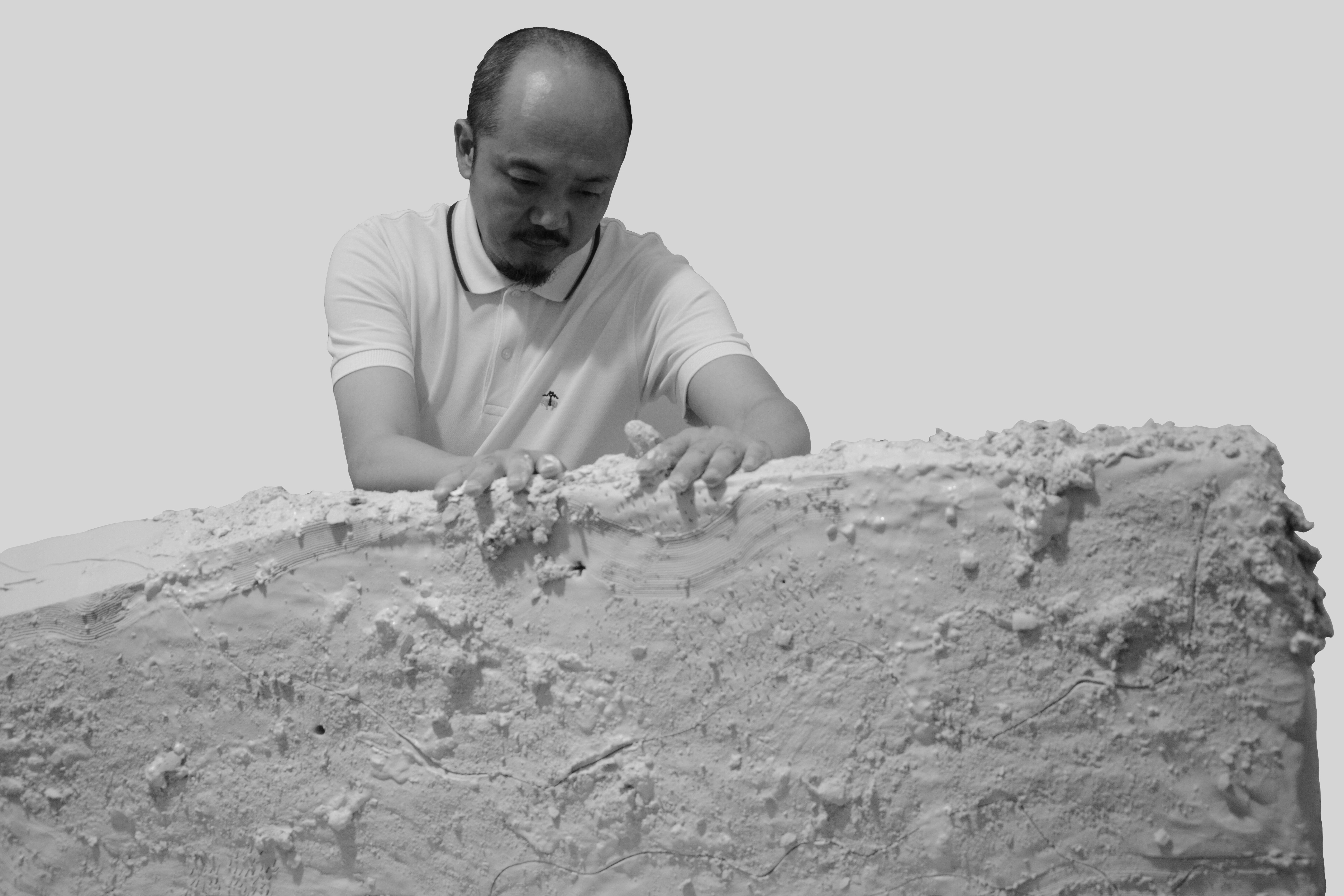
白明
清华大学美术学院陶瓷艺术系原主任、教授、博士生导师中国美术家协会陶瓷艺术委员会主任中华文化促进会副主席
采访手记:
作为中国当代陶艺的代表人物,白明的艺术观点与实践紧密交织。他对景德镇的观察源于其内外双重视角,既深入钻研传统制瓷工艺,又长期在国际当代艺术语境中创作。因此,他肯定景德镇的技术遗产,但警惕其“生产链条”对个人创造性的消解。他对景德镇的观察尖锐而辩证,既珍视其技术遗产,又警示其创造性不足。
白明称自己为“传统”陶艺家,认为传统不是对过去的复刻,而是每个时代最鲜活的“现代性”本身。在他眼中,双年展的重要意义不止是静态的作品展示,而是形成一个多元思想碰撞、并能通过媒体无限扩大的“思想场域”,其影响力远大于物理空间的局限。
面对科技浪潮的冲击,他以一种贯通历史的深邃眼光,揭示出从古老的二元配方到当今人工智能之间,陶瓷始终是人类文明中既古老又年轻的艺术形式。其本质从未改变——它是艺术与科学在时代认知中不断交融的动态过程,本就无可设限。
Q:于伶娜
A:白 明
Q:第一届双年展采访你时,你就谈到景德镇举办高规格展览,在“连接陶瓷源头与未来”方面,比一线城市更有地域意义。如今第三届“瓷的未来”双年展即将举办,并且与第52届IAC国际陶艺大会同期进行。从单一展览演化为全球陶瓷艺术的共同体,是否实现了你当年的期待?
A:首先可以肯定的是,陶大能连续在景德镇城市升级、面向未来转型的关键时期,切入这个蓬勃的时代,并发挥其作为中国唯一、世界唯一的陶瓷大学的学术引领作用,这是毋庸置疑的。前两届形成的国际效应已经显现出来了。
将双年展纳入IAC年会期间,是一个非常好的时机。IAC第一次在中国举办是2008年在西安富平。这一次,“IAC会议+双年展”的模式,必将把陶大的影响和景德镇的国际影响力推上一个新台阶。这正是让我们传统陶瓷产区,不再固守过去的发展模式,向着国际化的影响力重新拓展的重要举措。
我想强调的是,从一个在传统产瓷区举办的国际展览角度来看,双年展的整体规模、参展艺术家的覆盖广度与创作多样性,已经让我印象非常深刻,这非常不容易。
Q:2026景德镇双年展新增“国中新锐奖”,并提高青年艺术家获奖比例,彰显了对青年创作的重视。你也一直致力于推广青年陶艺家,曾为他们搭建国际展览平台,见证了一代代青年创作者的成长。你观察到当下青年陶艺家的创作,在议题、手法、价值追求上呈现出哪些新特征?
A:这一代年轻艺术家的成长特别值得关注的是,在陶瓷艺术创作上,他们已逐渐打破了产区、院校乃至城市的传统隔阂。无论身处中国的哪个地域、哪所高校、哪个产区,或使用哪种材质,他们都展现出一种相对开阔的国际视野。这正是他们最令人惊喜、也最代表未来潜力的一大特征。
从整体上看,我们已经很难单纯从他们的作品中划分出某种鲜明的“东方”或“西方”类型标签。相反,他们正融入世界陶瓷艺术发展的主流脉络,至少是在与全球陶艺同行共同成长、共同回应时代的过程中,体现出不同民族、不同国家的陶艺工作者对于当代语境的理解与创新理念。
这种快速成长与融合也带来了新的困惑。随着年轻艺术家迅速形成独特乃至固化的个人风格,传统意义上那种属于东方的、非常鲜明的材料特征、语言方式与思维方式,似乎正在逐渐模糊。这或许恰恰符合国际艺术交流的普遍规律:在深度对话中,各地鲜明的文化特征会经历一个融合与同步发展的阶段。
我猜想,接下来的发展很可能进入一个螺旋式上升的新阶段。在充分交流与融合之后,艺术家们或许会再次冷静回望,深入本民族、本系统的文化根系,进行更深层的挖掘与反思。届时,那种基于身份认同与文化自觉的创作风格,将在过去融合发展的基础上,以新的面貌和更深刻的内涵再度鲜明地呈现出来。
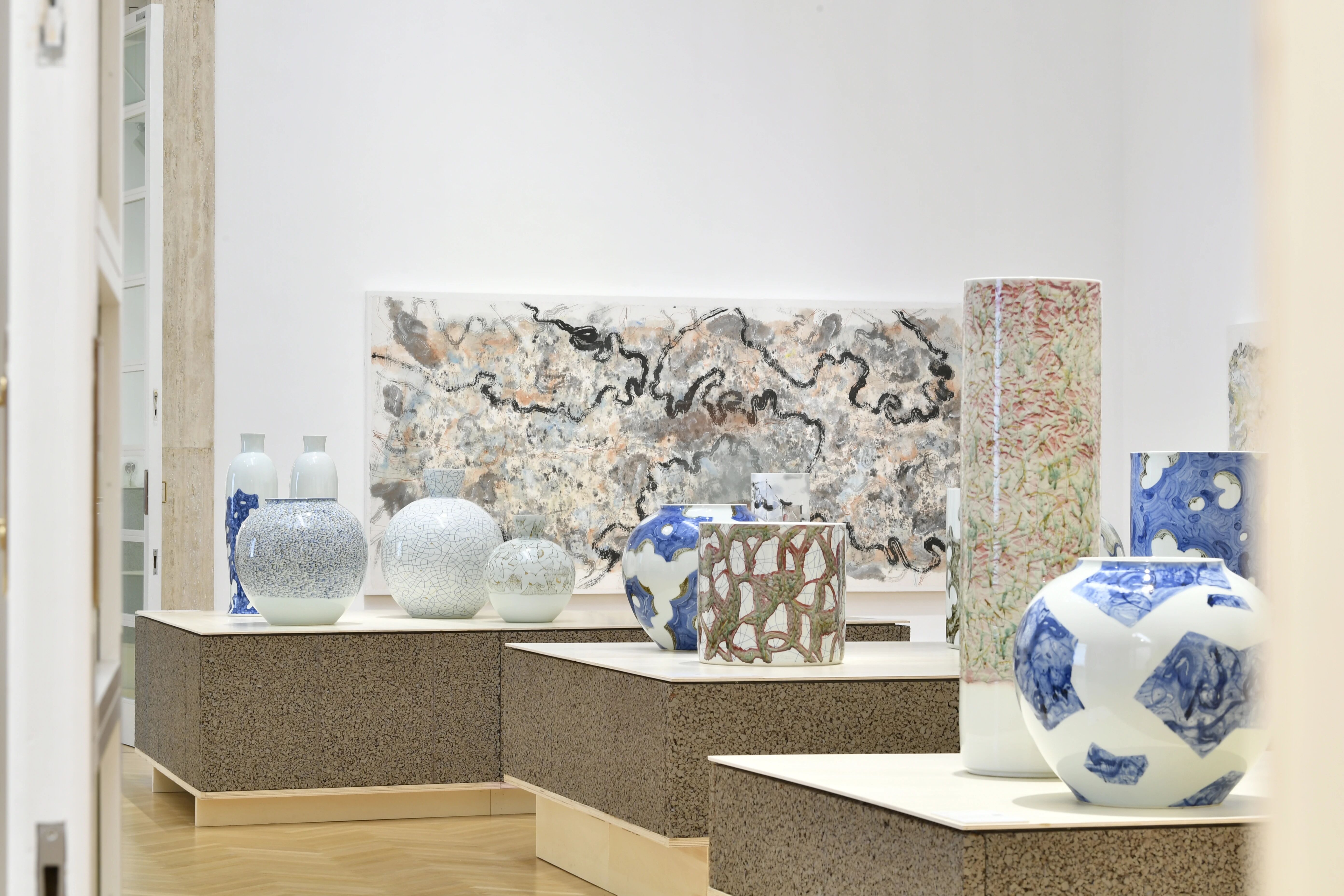
Q:近十年科技高速发展,将AI、数字艺术、新材料等跨界元素融入陶瓷创作,2026景德镇双年展向跨界艺术工作者开放征集,你怎么看科技对陶瓷艺术的冲击与融合?
A:这不是一个新问题。回望历史,中国的陶瓷艺术从来就不是封闭的。它一直随着时代认知而发展,是艺术与科学、生活相融合的形态。今天,我们已经很难把陶瓷单纯定义为艺术、工艺、手艺还是器物,这些概念像肌肉生长一样难以剥离。
在宋代,发现一种新泥料就是伟大的科技。景德镇发现高岭土和二元配方的意义,不亚于哥伦布发现新大陆。我们的先民靠慧眼和直觉,找到了泥料与火温的平衡点,这太伟大了。
所以,今天面对新科技,我们不必困惑或自我设限。陶瓷艺术有其强韧的生命力。相机出现改变了写实主义,AI出现也会帮助人类思考。当技术不再是创作的唯一门槛时,人类的创造力反而可能被更多地激发。陶瓷与其它艺术的融合是必然之路。
Q:除了景德镇双年展,你还深度参与“中国白”“全国美展”等国内外重要艺术展览的策划和组织,个人也曾在威尼斯、比利时等国际重要场馆举办个展,深度参与了中国展览当代化进程,在你看来,展览的核心功能是什么?
A:在我看来,展览的核心功能远不止于展示作品——那或许只是其价值的百分之一。更重要的功能,是通过展览这个平台,呈现组织者、评委、专家和艺术家共同的、看待世界的多元视角与思想系统。
然而,能亲临现场的人始终有限。无论展览本身具备多大的影响力,物理空间的边界无法突破。那么,什么才能让展览的话语体系得以扩大,并实现无限传播呢?是媒体,像你这样的记者,通过你的深刻提问、对不同回答方式的发掘与呈现,从而改变公众对这个艺术系统乃至其背后世界的认知角度——这产生的力量,恐怕远远大于展览被观看本身。
基于我数十年来在领域内的推广、写作与策展实践,尤其是近年来多次重要展览的策划和组织,我更加确信:真正能够影响并触动那些认真思考者的,恰恰是我们是否愿意坦诚地分享自己在完成这项工作中所经历的困惑、选择与思考过程。这种对“过程”的真诚袒露与梳理,其思想价值可能高于一个完美无瑕的展示结果。
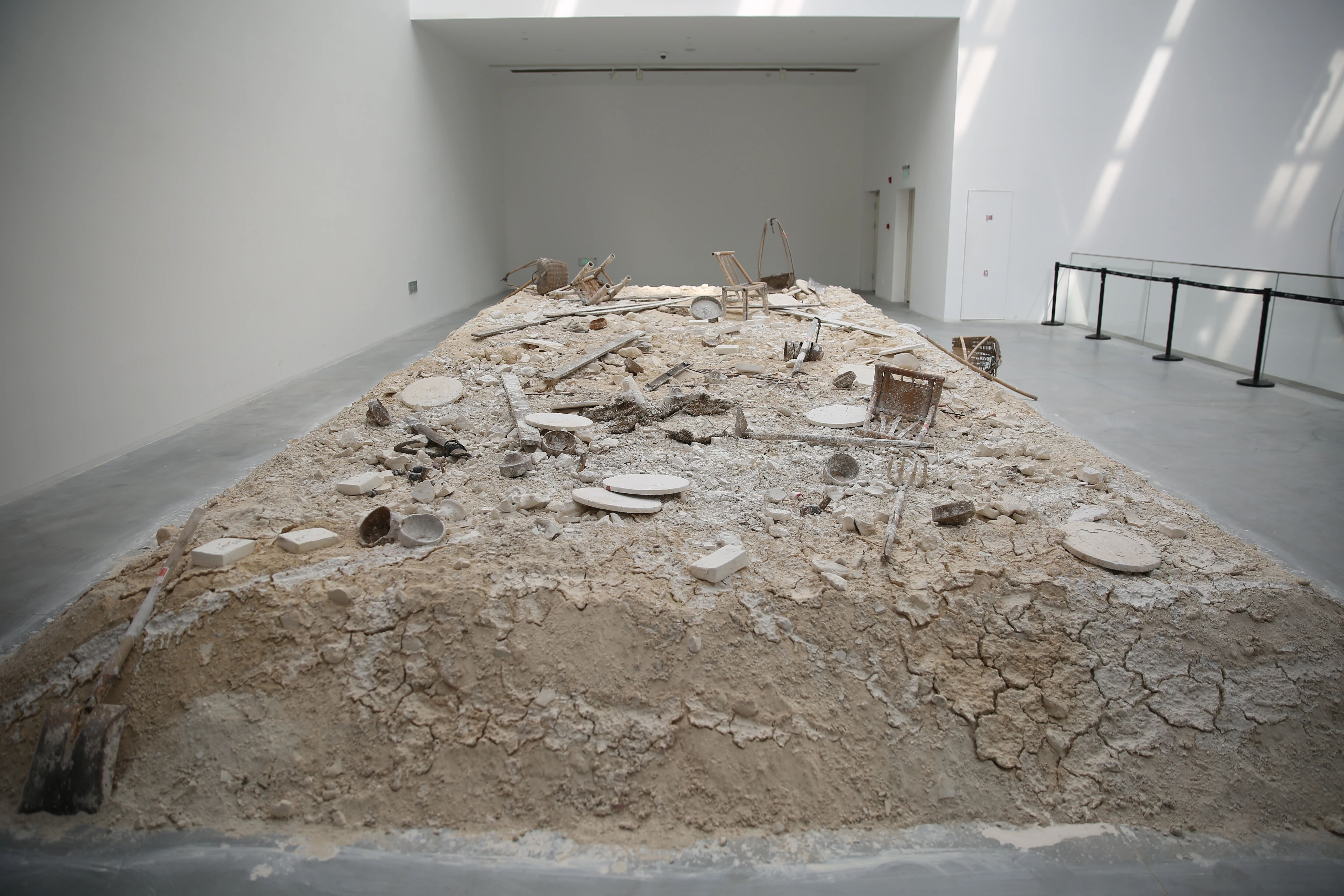
Q:在你看来,身处这样一个承前启后、充满变化的时代,年轻创作者应如何与所处的时代共处,并在其中找到自己?
A:过去,我总希望能“解决”问题。后来我发现,自己一个问题也未能真正解决,但却改变了一样更根本的东西:看法。正是这种视角的转变,让我如今能更从容地面对创作、教学、写作与策展。
我越来越意识到,人一生的所有思考、经历与实践的总和,才是你对这个世界给出的最终答案。它不取决于某个特定的时期、某件具体的作品,甚至某一段经历。就像我们的世界观来自所有读过的书,我们的性格来自全部生命的喜怒哀乐——没有哪一本书、哪一件事能单独定义我们。
如果要说有什么进步,那便是:我越来越能够接受真实的、完整的自己,并将整个生命本身,视为一件持续进行中的作品。
Q:作为三届双年展的评委,又是与景德镇渊源深厚的艺术家,你的创作始终扎根于景德镇,却又跳出了当地既有的审美范式,你的创作与景德镇之间究竟构建了怎样的深层联结?
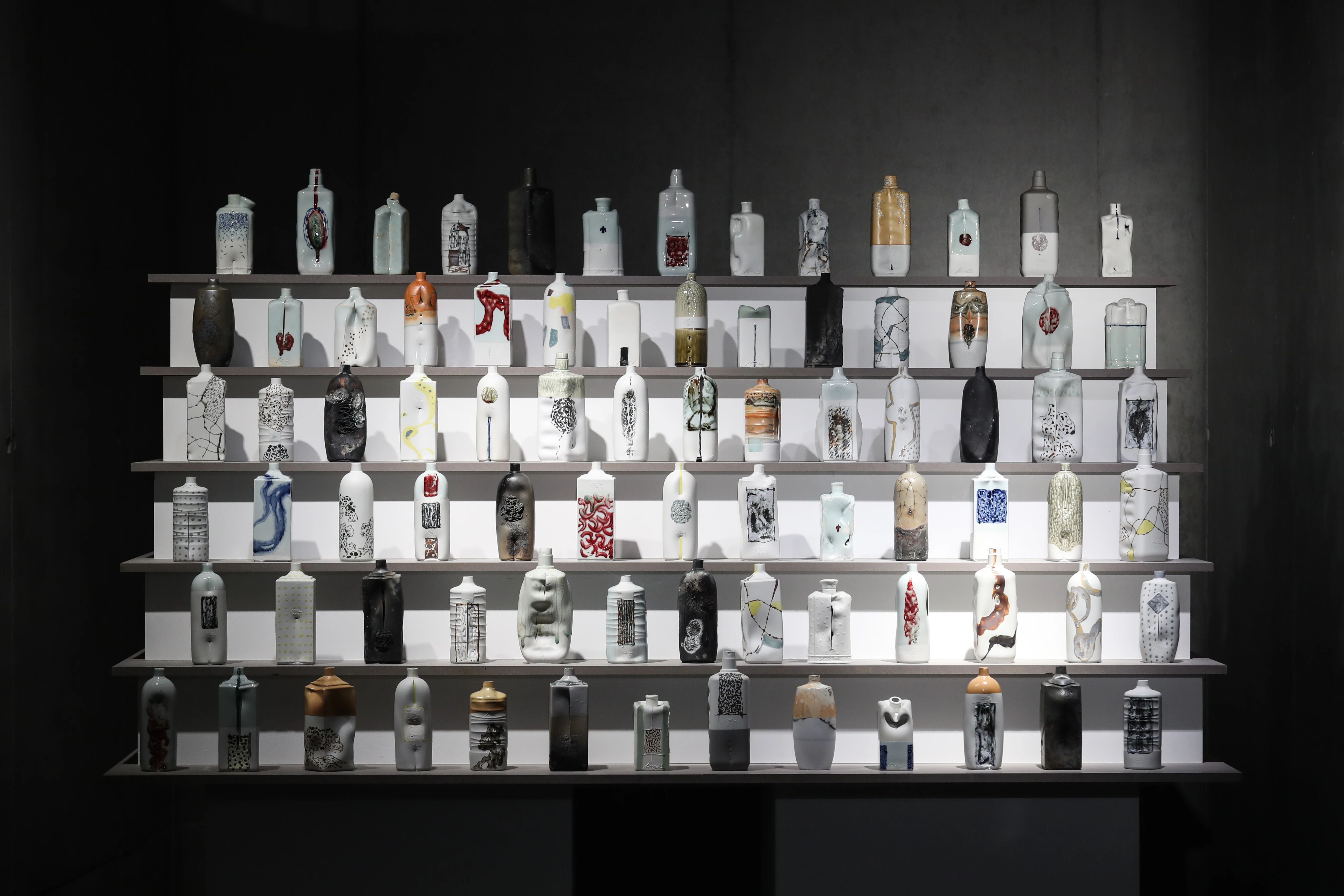
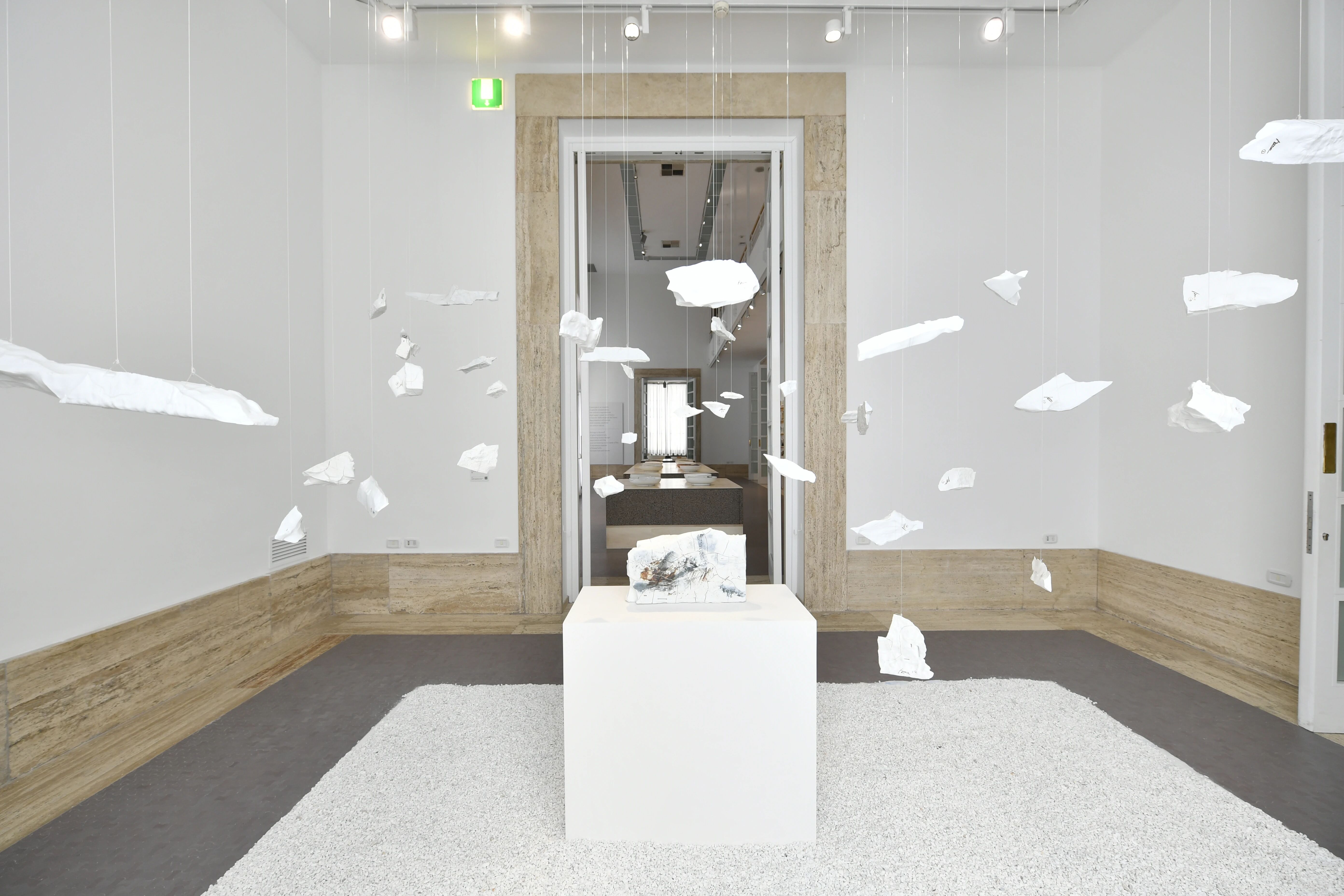
A:我与景德镇的联结,从不是停留在材料选择或作品形式的表层关联,这座城市独有的特质,始终是我创作的核心原动力。很多人会误解我的作品:那些看似偏向装置、雕塑形态的创作,那些通过不同烧成方式让材料呈现断裂质感的表达,常常被认为与景德镇毫无关系。但恰恰是这些探索,构成了我与景德镇建立更深刻关系的过程。
景德镇当下的审美格局,其实陷入了一种单一性,人们惯于追求“让材料听命于自己”,将手艺与掌控力视为创作的核心,执着于让材料顺从人的意志、服务于人的预设。但我早已跳出这样的思维定式。当我们已经熟练掌握了让材料臣服于手艺的能力后,更值得探索的,是放下掌控,去倾听材料的 “语言”。如果不刻意干预,材料会自然生长出怎样的形态?如果与材料平等对话、相互拥抱,创作又会呈现出怎样的可能?
当我带着这样的思考转向创作,风格的转变便水到渠成。我不再试图通过特定形态去刻意传递预设的观点,反而因为放下了主观执念,让材料的本真成为作品的主角。最终,作品反而拥有了更鲜明、更动人的观点。这便是我与景德镇最深的联结,不是固守它既有的创作范式,而是以倾听材料的方式,拓展它的表达边界。
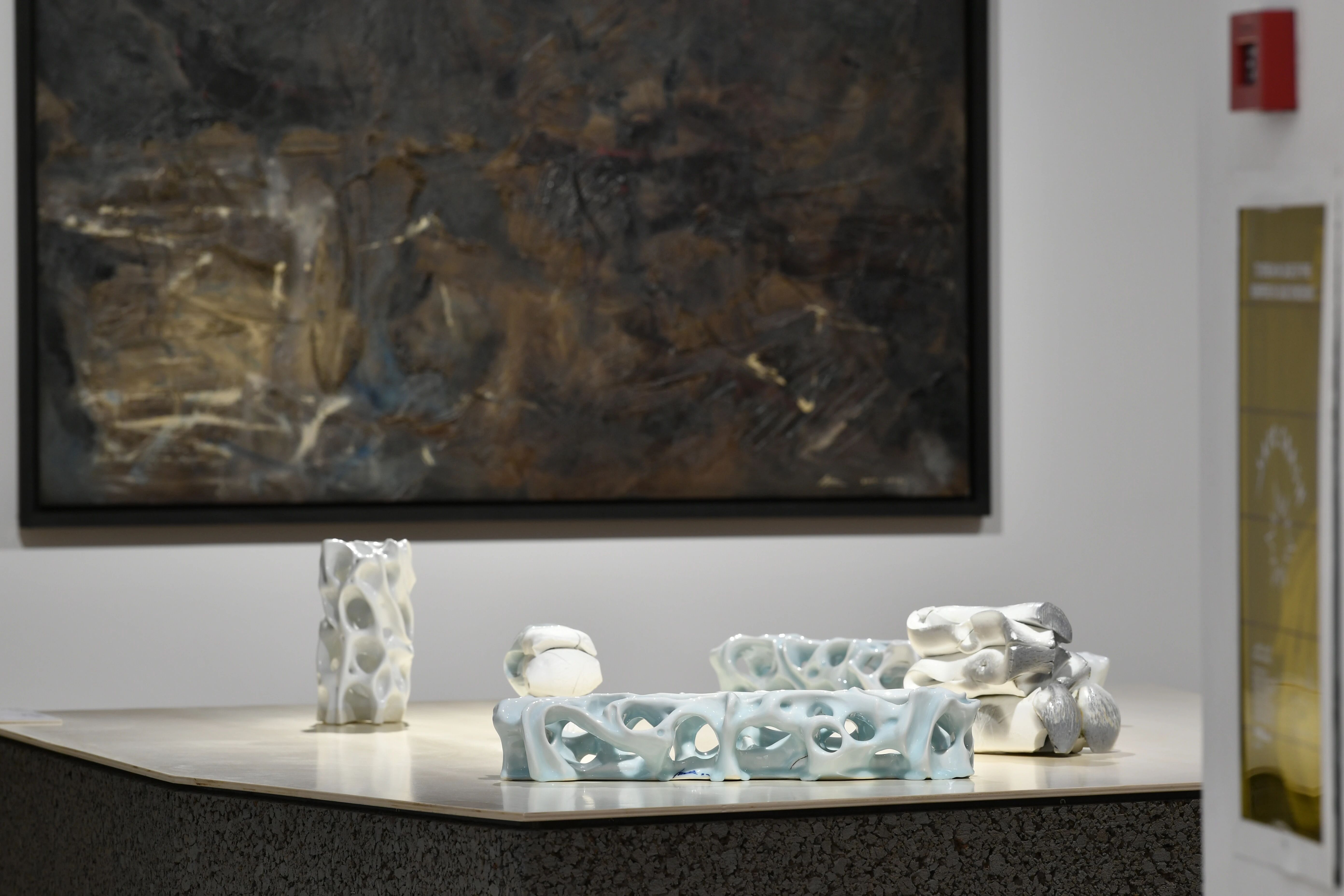
Q:很多人认为你是当代陶艺的推动者,也是实践者,而你却说自己是个传统的陶艺家,你是怎么理解传统的?
A:的确,之前我在法国、葡萄牙、比利时、美国这些国家做展览时,我的学术主题大概都是说我是中国传统陶瓷的继承者。他们能听懂这句话吗?我想未必。其实核心在于站在什么角度看问题。我自己都不认为自己当代,也不现代,本质上我就是个传统的陶艺家。差别主要在对传统的认知上。我所秉持的传统,不是以技术和模仿过去为象征的。我用的材料是景德镇的,没有用任何新材料;烧成方式也比较传统、古老;创作方式以及对待器物的设计,包括我参与的国礼瓷设计,核心思路都很传统。
关键在于,我从来不认为传统是对过去的简单模仿。在我看来,传统回到它诞生的那个时期,本身就是当时的“现代艺术”。你想想,宋代的五大名窑,在宋代那个语境下就是现代艺术;唐代的秘色瓷、长沙窑,在唐代就是现代艺术;元代的青花,放到元代也是妥妥的现代艺术。
所有传统在诞生之初,不仅是创新的,而且是极具现代性的。明白这一点,才真正理解什么是传统。很多人把传统当成固定的样式去模仿、去“继承”,而我是把传统当作鲜活的、能随时代发展而不断变化的生命体。
Q:那你怎么看待由西方艺术定义的现代艺术、当代艺术这些概念?
A:我认为这些概念都已经过时了,我们现在所创作的是“今日艺术”,也就是今天的艺,每一个鲜活的今天。早在2019年,第十三届全国美展陶艺展在景德镇举办的时候,我就策划过一个以瓷画为主的平行展,取名“彩绘今朝”,就有这个意思。
Q:当时景德镇的艺术家鲜少入选全国美展,而你却为景德镇瓷画策划了一个平行展,你的解释是美术展和工艺展的评选标准不同。近几年双年展的参与度持续走高,也有评论指出,双年展评选结果中院校作者占比较高。对此,作为评委,你有什么想说的?
A:我想说这是正常且合理的。这并非源于“圈子”或关系,而是源于评审体系的内在标准。
陶瓷领域存在两种培养路径:一类主要通过学院培养,倾向于艺术家、设计师的方向;还有一种是产区培养,更注重技艺传承,本质上是为了生产。
进入21世纪后,我们把产区生产的杰出作品也视为艺术,这就模糊了创作与生产之间的界限。实际上,两者仍属不同体系,语境和评价标准本就不同。
当我们邀请国际知名艺术家评审展览时,他们主要评判的是个人情感表达的独特性与艺术才华。作为评委,我们所受的训练、所形成的认知与修养,以及我们所推崇的系统,都植根于学院教学体系和世界艺术发展的脉络之中。因此,符合这一脉络的创作者自然更容易被看到和选择。而这样的人,多数接受过高等教育,这很正常。
然而外界容易产生误解,认为我们选的都是“自己人”、是同行业者。这种看法其实源于内心对群体的划分,这是不对的。就像工艺美术领域的评审,当选的也多是业内传承脉络中的人。这一方面出于情感联系,但更关键的是,他们的评审标准本身就倾向于这个体系。
所以,美术展和工艺展的评选本质上关乎标准。而我们这个评审系统所遵循的,正是这样的美术标准。不仅现在是如此,未来仍会如此。
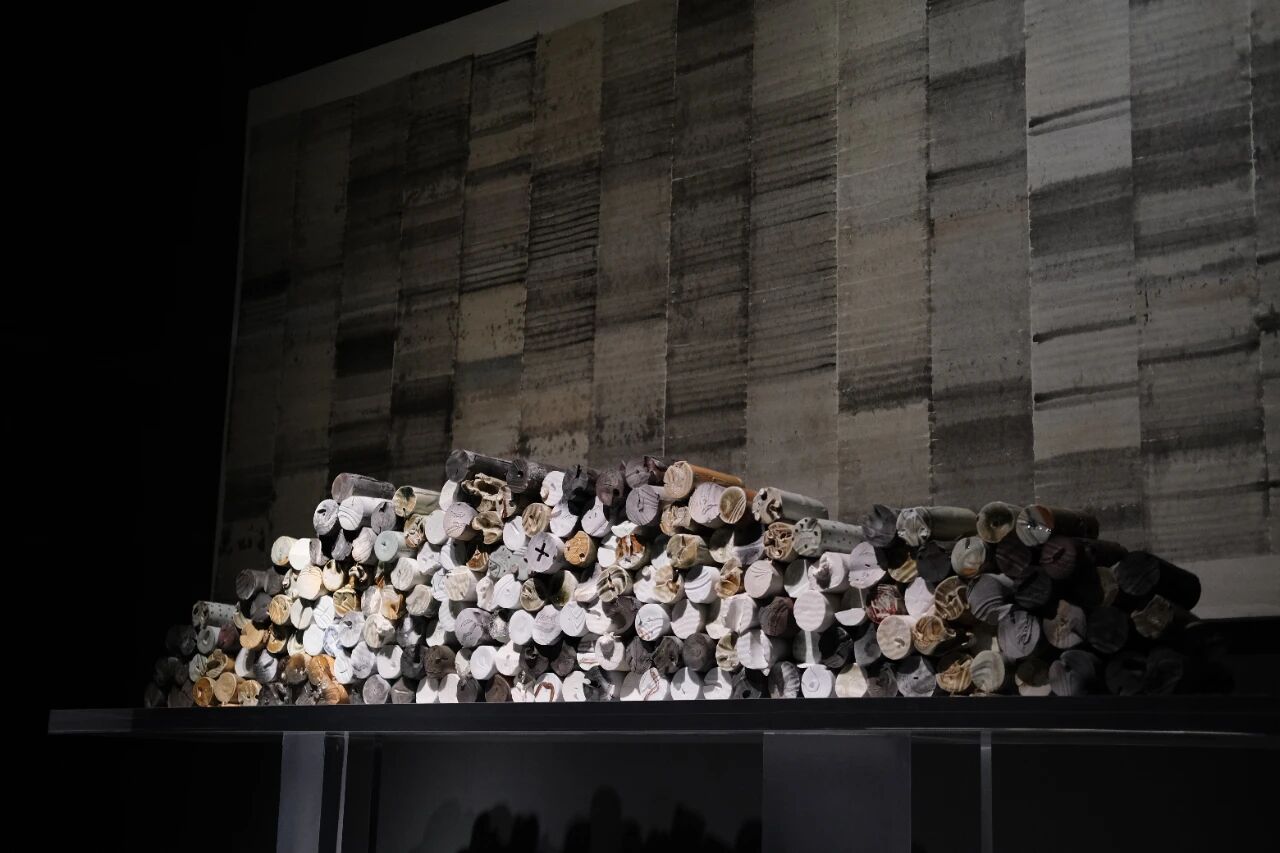
Q:最后,请你向所有青年陶艺创作者提一点建议,你会说什么?值得他们去思考的。
A:年轻人有自己的认知之路,对年轻人提出任何整体性建议都应慎重,不要给年轻人高高在上的指点式教诲,将我们生命中遇到的困惑和走过的弯路分享给他们比什么都好。我觉得要多鼓励和帮助他们,融入他们。
2026 “瓷的未来”景德镇国际陶艺双年展
报名截止时间:2025年12月31日
报名入口:
http://www.cjicb.com/News20251211.html
英文版
Exclusive Interview |Bai Ming: A “Traditional” Ceramic Artist’s View of Today
Interview Notes:
As a representative figure of contemporary Chinese ceramic art, Bai Ming’s artistic philosophy is closely intertwined with his practice. His observations of Jingdezhen stem from a dual perspective—both internal and external. While deeply engaged in the study of traditional ceramic techniques, he has long worked within an international contemporary art context. As such, he affirms Jingdezhen’s technical heritage while remaining alert to how its “production-chain logic” may erode individual creativity. His views on Jingdezhen are sharp and dialectical: he cherishes its technical legacy yet warns against a lack of creative vitality.
Bai Ming describes himself as a “traditional” ceramic artist. In his understanding, tradition is not a replication of the past, but the most vivid form of “modernity” of any given era. In his eyes, the significance of the Biennale goes far beyond the static display of works; it forms a multidimensional arena of ideas—one that can be infinitely amplified through media, and whose impact far exceeds the limits of physical space.
Confronted with the sweeping tide of technology, Bai Ming offers a historically grounded and penetrating perspective. From ancient binary glaze formulas to today’s artificial intelligence, ceramics has always been both an ancient and a young art form within human civilization. Its essence has never changed: it is a dynamic process in which art and science continuously intersect through evolving modes of human understanding—and as such, it can never be confined.
Bai Ming
Former Head and Professor, Department of Ceramic Art, Academy of Arts & Design, Tsinghua University
Doctoral Supervisor
Chair, Ceramic Art Committee, China Artists Association
Vice President, China Culture Promotion Association
Q :Yu Lingna
A :Bai Ming
Q:When we interviewed you during the first Biennale, you spoke about how hosting a high-level exhibition in Jingdezhen carried greater regional significance than in first-tier cities, particularly in terms of “connecting the origins of ceramics with the future.” Now, as the third Biennale—The Future of Ceramics—approaches, held concurrently with the 52nd IAC International Ceramic Congress, the event has evolved from a single exhibition into a global ceramic community. Has this fulfilled your expectations from back then?
A:First of all, it must be acknowledged that Jingdezhen Ceramic University has entered this vibrant era at a critical moment of the city’s upgrading and future-oriented transformation, fully demonstrating its academic leadership as China’s—and the world’s—only ceramic-focused university. The international impact formed by the first two editions has already become visible.
Incorporating the Biennale into the IAC Congress is an excellent opportunity. The first time the IAC was held in China was in 2008, in Fuping, Xi’an. This time, the “IAC Congress + Biennale” model will undoubtedly elevate both the international influence of Jingdezhen Ceramic University and that of Jingdezhen itself to a new level. It is a crucial step in enabling traditional ceramic production regions to move beyond past development models and re-expand their international reach.
From the perspective of an international exhibition held in a traditional ceramic production area, the Biennale’s overall scale, the breadth of participating artists, and the diversity of creative approaches have left a deep impression on me—this is no easy achievement.
Q:Over the past decade, rapid technological development has brought AI, digital art, and new materials into ceramic practice. With the 2026 Jingdezhen Biennale opening submissions to cross-disciplinary artists, how do you view the impact and integration of technology in ceramic art?
A:This is not a new question. Looking back through history, Chinese ceramic art has never been a closed system. It has always evolved alongside contemporary modes of understanding, integrating art, science, and everyday life. Today, it is increasingly difficult to define ceramics purely as art, craft, skill, or object—these concepts are interwoven like muscle fibers, impossible to separate.
In the Song dynasty, the discovery of a new clay body was itself a great technological breakthrough. The significance of discovering kaolin and the binary formula in Jingdezhen was no less than Columbus’s discovery of the New World. Our ancestors, through intuition and insight, found the balance between clay and firing temperature—an extraordinary achievement.
So today, in the face of new technologies, there is no need for confusion or self-imposed limitation. Ceramic art possesses remarkable resilience. Just as the camera transformed realism, AI will also assist human thinking. When technology ceases to be the sole threshold of creation, human creativity may, in fact, be further unleashed. The integration of ceramics with other art forms is an inevitable path.
Q:Beyond the Jingdezhen Biennale, you have been deeply involved in organizing major exhibitions such asChina White and the National Art Exhibition, and have held solo exhibitions in Venice, Belgium, and other major international venues. Having participated extensively in the contemporization of Chinese exhibitions, how do you define the core function of an exhibition?
A:In my view, the core function of an exhibition goes far beyond the display of works—that may account for only one percent of its value. More importantly, an exhibition presents, through its platform, the shared and diverse worldviews and systems of thought held by organizers, jurors, experts, and artists alike.
However, the number of people who can physically attend an exhibition is always limited. No matter how influential an exhibition may be, the boundaries of physical space cannot be broken. So what enables an exhibition’s discourse to expand and circulate infinitely? It is the media—journalists like yourself—through incisive questions and the exploration and presentation of varied responses, thereby shifting how the public understands the art system and the world behind it. The power generated by this process may far exceed that of the exhibition being seen in person.
Based on decades of promotion, writing, and curatorial practice—especially my involvement in organizing major exhibitions in recent years—I am increasingly convinced that what truly influences and moves serious thinkers is whether we are willing to honestly share the doubts, choices, and thought processes we experience while carrying out our work. This sincere revelation and articulation of “process” may hold greater intellectual value than a flawless final presentation.
Q:In your view, living in such a transitional and ever-changing era, how should young creators coexist with their times and find their own position within them?
A:In the past, I always hoped to “solve” problems. Later, I realized that I had not truly solved a single one—but I had changed something more fundamental: my perspective. It is precisely this shift in perspective that allows me today to face creation, teaching, writing, and curating with greater ease.
I have come to realize that the sum total of one’s thoughts, experiences, and practices over a lifetime constitutes the ultimate answer one gives to the world. It does not depend on a particular period, a specific work, or even a single experience. Just as our worldview is shaped by all the books we have read, and our character by the full range of our life’s joys and sorrows—no single book or event can define us.
If there is any progress to speak of, it is this: I am increasingly able to accept my true and complete self, and to regard life itself as an artwork in continuous formation.
Q:As a juror for all three editions of the Biennale and an artist with deep ties to Jingdezhen, your work is rooted in this city yet transcends its established aesthetic paradigms. What kind of deeper connection have you forged with Jingdezhen through your practice?
A:My connection with Jingdezhen has never been confined to surface-level links such as material choice or formal resemblance. The city’s unique qualities have always been the core driving force of my creation. Many people misunderstand my work—those pieces that lean toward installation or sculpture, or those that create fractured material textures through different firing methods, are often seen as unrelated to Jingdezhen. Yet it is precisely these explorations that constitute the process of building a deeper relationship with the city.
Jingdezhen’s current aesthetic landscape has, in fact, fallen into a certain monotony. People are accustomed to pursuing “making the material obey,” treating technique and control as the core of creation, insisting that materials submit to human will and serve preconceived ideas. I have long stepped outside this mindset. Once we have mastered the ability to make materials submit to technique, what becomes truly worth exploring is letting go of control and listening to the “language” of the material. If we do not intervene deliberately, what forms might the material naturally grow into? If we engage in an equal dialogue with the material—embracing it—what new possibilities might emerge?
When I shifted my creative direction with these questions in mind, a change in style followed naturally. I no longer attempt to force predetermined ideas through specific forms. Instead, by letting go of subjective obsession, I allow the authenticity of the material itself to take center stage. Paradoxically, the works end up carrying clearer and more compelling viewpoints. This is my deepest connection with Jingdezhen—not adhering to its existing creative paradigms, but expanding its expressive boundaries by listening to the material.
Q:Many people regard you as both a driver and a practitioner of contemporary ceramic art, yet you describe yourself as a traditional ceramic artist. How do you understand “tradition”?
A:Indeed, when I held exhibitions in France, Portugal, Belgium, and the United States, the academic framing often described me as an inheritor of Chinese traditional ceramics. Do they really understand what that means? Perhaps not. The key lies in the perspective from which the question is approached. I myself do not consider my work contemporary or modern; at heart, I am a traditional ceramic artist. The difference lies in how tradition is understood.
The tradition I uphold is not symbolized by technique or by imitating the past. The materials I use are from Jingdezhen—no new materials; the firing methods are relatively traditional and ancient; my creative approach, my attitude toward vessels, and even my involvement in designing state-gift porcelain all follow fundamentally traditional thinking.
Q:Finally, what advice would you offer to young ceramic artists—something truly worth reflecting on?
A:Young people each have their own paths of understanding. Any sweeping advice to the younger generation should be offered with caution. Rather than delivering condescending instruction, it is far more meaningful to share the confusions we have faced and the detours we have taken. Above all, we should encourage and support them, and genuinely engage with them.
2026 “The Future of Ceramics” Jingdezhen International Ceramic Art Biennale
Registration Deadline:December 31, 2025
Registration Portal:
http://www.cjicb.com/News20251211.html
(责任编辑:刘欢 审稿:兰茜 刘欢)