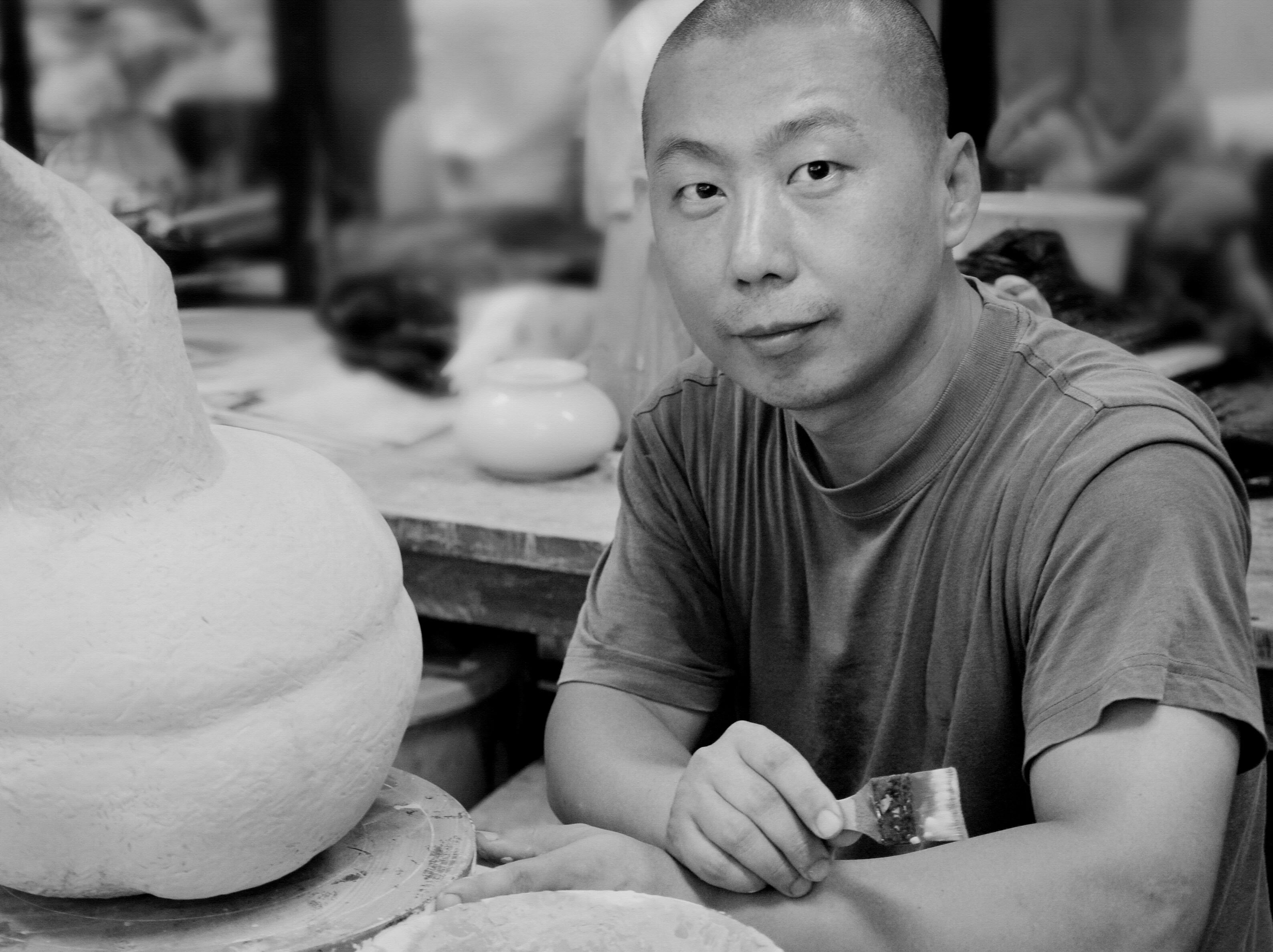
王琪
广州美术学院陶瓷艺术设计教研室主任
中国美术家协会陶瓷艺委会委员
国际陶艺学会(IAC)会员
采访手记:
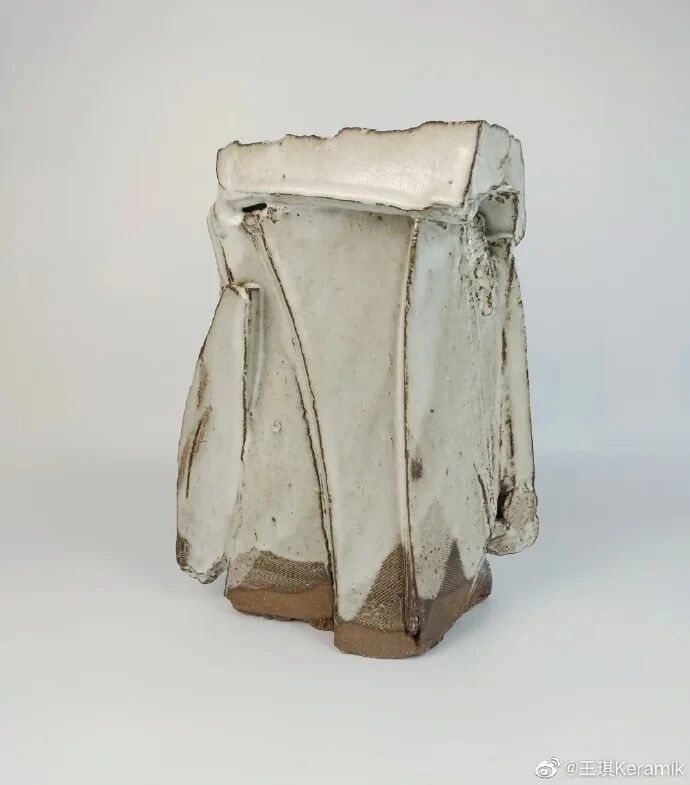
从中央工艺美院到德国十年“自由陶瓷艺术”的淬炼,再到广州美术学院教研室的深耕,一位跨文化教育者的陶艺实践与思考,在不同系统中穿梭、反应、成型。当景德镇高岭土邂逅全球当代艺术思潮,传统与创新的碰撞有了新答案。与王琪的对话,尽显陶艺教育者对行业的坚守与思考。
景德镇双年展绝非作品的简单堆砌,而是催化传统手工基因与当代思潮发生化学反应的平台。年轻人的涌入为这座陶瓷古城注入活力,他们带着自由无畏的态度,在展台上释放独特的艺术主张。
在他平实的叙述中,我们能感受到一种对未来的乐观。这种乐观,根植于“不设限”的自信与无所顾忌。或许,这正是所有艺术创作中最珍贵的“催化剂”:在深厚的土壤上,自由生长。
Q:于伶娜
A:王 琪
Q:从中央工艺美院到德国深造,再到扎根广美,你一直重视材料与工艺。景德镇既有深厚传统,又是活跃的当代实验场。你认为双年展能否催化这里的地缘基因与全球思潮发生更深层的“化学反应”,而不仅是简单并置?
A:恰恰是双年展这样有影响力的展览,才能真正推动景德镇的“转型”。这里的传统技艺从未尘封,一直在被研习和使用,传承千年的陶瓷语言也因此具有更强的生长性和包容性。如今的景德镇,城市面貌在快速现代化,无数年轻人奔赴这座愈发开放包容的城市,他们成了这里的活力核心,也让当代艺术思潮有了流动生长的空间。
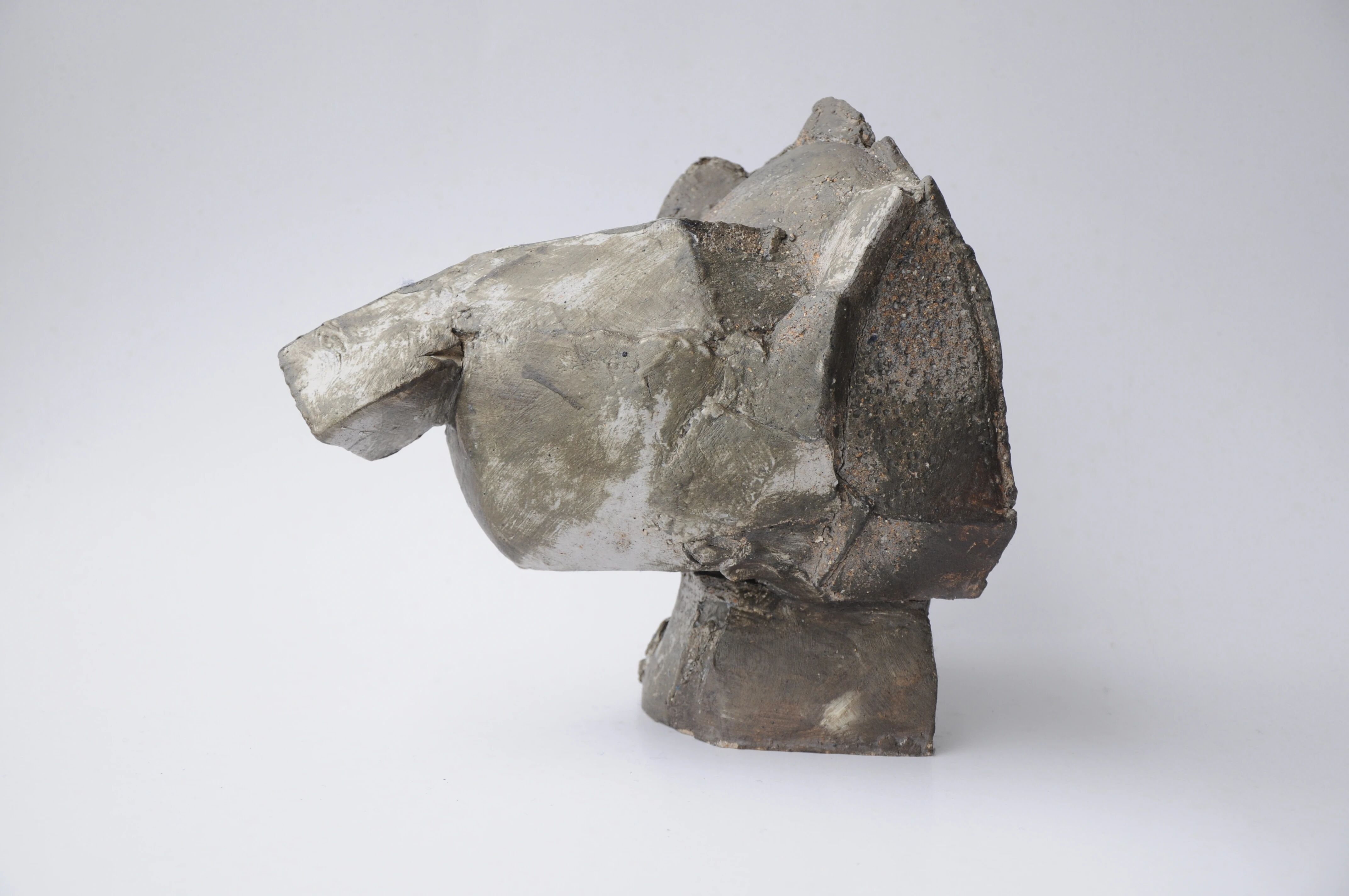
景德镇国际陶艺双年展的规模、专业度与国际影响力,再加上持续的投入,让它在短期内搭建起一个“去层级”的当代陶瓷艺术对话平台。世界各地年轻人的作品里,新观念、新认知被充分释放,双年展真正成了让当代艺术思想在“高岭土”里生根发芽的催化剂。
Q:基于对前两届景德镇双年展的观察,它是否成功催化了景德镇“传统手工艺基因”与“全球当代思潮”的融合?这又反映出中国当代陶艺生态怎样的活力与瓶颈?
A:首先,我认为传统手工基因与当代思潮在双年展的学术场域中,已经产生了超越简单并置的化学反应。通过这个平台,我们的观念、技术与材料得以向世界展示和输出,同时也进行着双向的互动。我们的传统工艺基因本身就具有很强的实践性和流动性,也能影响所谓的“全球思潮”。
其次,不能忽视大型展览在推动艺术思潮中的核心作用。这正是双年展需要持续办下去的理由之一。
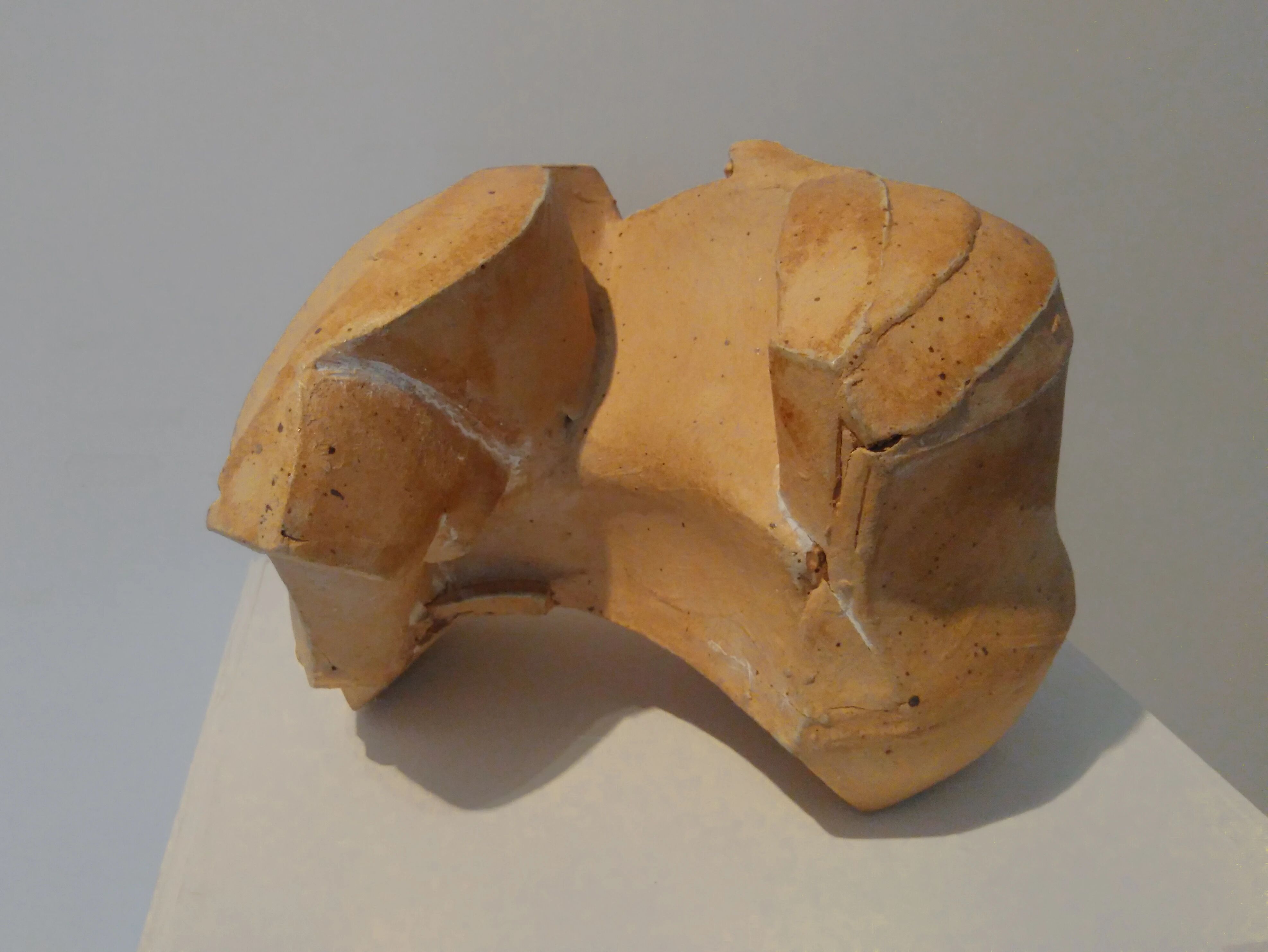
今天,陶艺创作对个人而言门槛大大降低,设备精良,工作空间也容易找到。这为实验创新提供了条件,也催生了更广泛的群众基础。总之,有年轻人积极参与的项目,未来总是看好的。
Q:时代与社会环境如何影响创作?近些年陶瓷艺术出现了哪些值得关注的变化?
A:不同的时代背景,会塑造出艺术作品不同的表达逻辑与价值取向,多数艺术品类都有自己的发展脉络。就当代陶瓷艺术而言,当下的社会环境与科技发展,推动着创作观念转变与技术水平提升,陶瓷艺术作品也随之发生变化:创作者关注的议题越来越多元,成型方式有了更多选择,大家也更愿意尝试大空间来制作大体量作品,后期加工能力的进步,还让作品变得愈发精致。这些或许会成为一段时期内的趋势,但这也是我们需要警惕的方面。
Q:双年展强烈的现场性、社交性能否弥补学院教育的某些边界,为青年提供一种“在沸腾现场中学习”的范式?这对教学有何冲击或补充?
A:双年展的现场可以很“沸腾”,但校内教学有着多年传承且不断完善的稳定体系。作为一线教学组织者,我认为双年展是国内少有的、能现场观摩高水平陶瓷作品的盛会,我们都十分珍视这样的参与和学习交流机会。
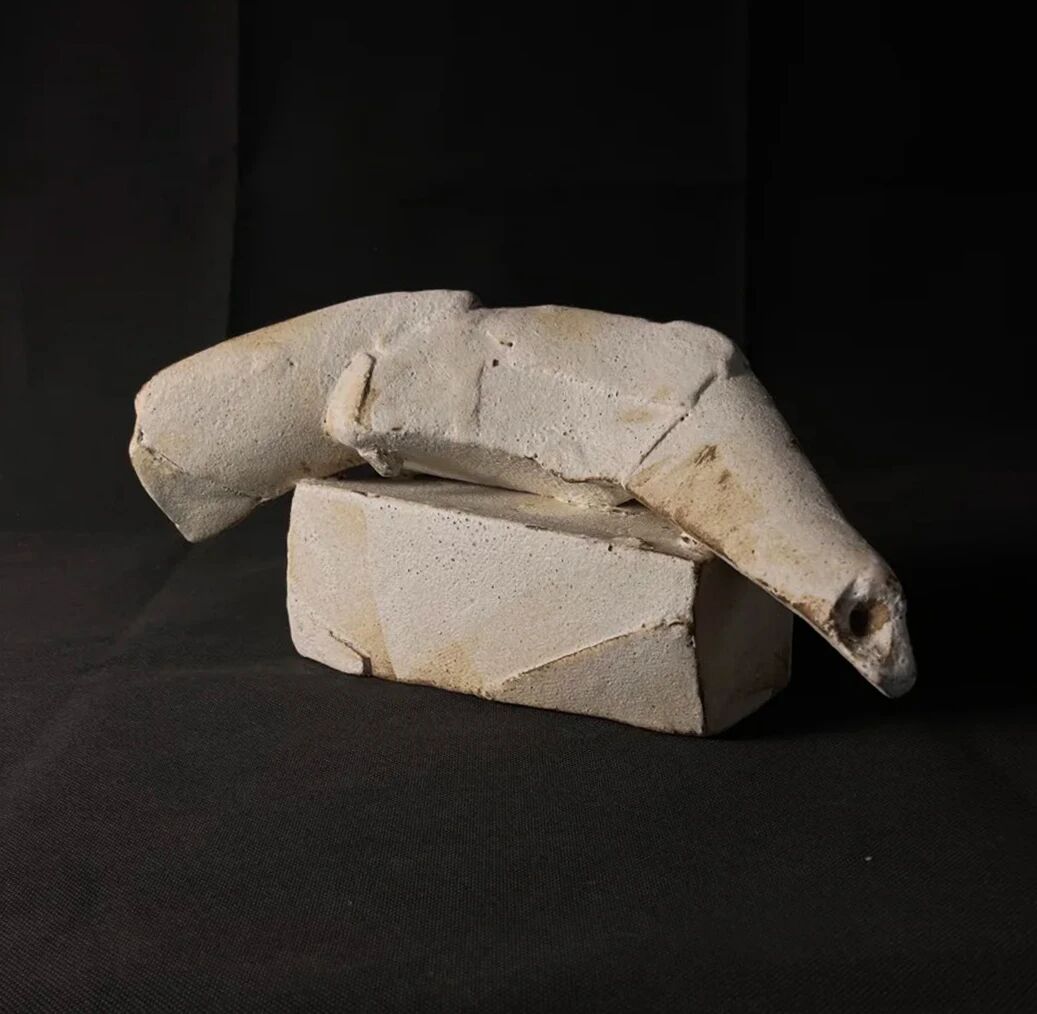
广州美院的陶瓷专业自2018年起,就专注于与产业的联动,尤其是和佛山的建筑陶瓷企业开展了不少产学研合作项目,希望能培养出助力产业发展的应用型人才。我们将陶艺创作,作为学生掌握材料工艺、提升陶瓷美学素养的重要训练内容,这也是企业用人时十分看重的能力。
所以对我们来说,双年展就是一个高质量的作品资料库,我们会组织带领学生到现场观摩优秀作品,参与这场行业盛会。
Q:作为教研室主任,你认为学院应如何主动与双年展深度互动,将其能量转化为可持续的教学资源,而非短暂狂欢?是否有具体机制?
A:双年展的策展主题往往紧扣当下陶瓷艺术的前沿趋势,比如材料实验、跨界融合、面向未来等。作为教研室负责人,我们可以尝试将每一届双年展的主题拆解为具体教学课题,融入专业课程中,让学生在课程里直接对接国际前沿的创作命题,而不是孤立地完成课程作业。
双年展期间会汇聚全球顶尖的陶瓷艺术家、策展人,这是极为优质的学术资源。我们可以和双年展组委会合作,邀请部分参展艺术家走进课堂举办讲座、工作坊,还可以让他们与学院教师联合指导研究生课题,共同完成具有学术价值的创作项目。
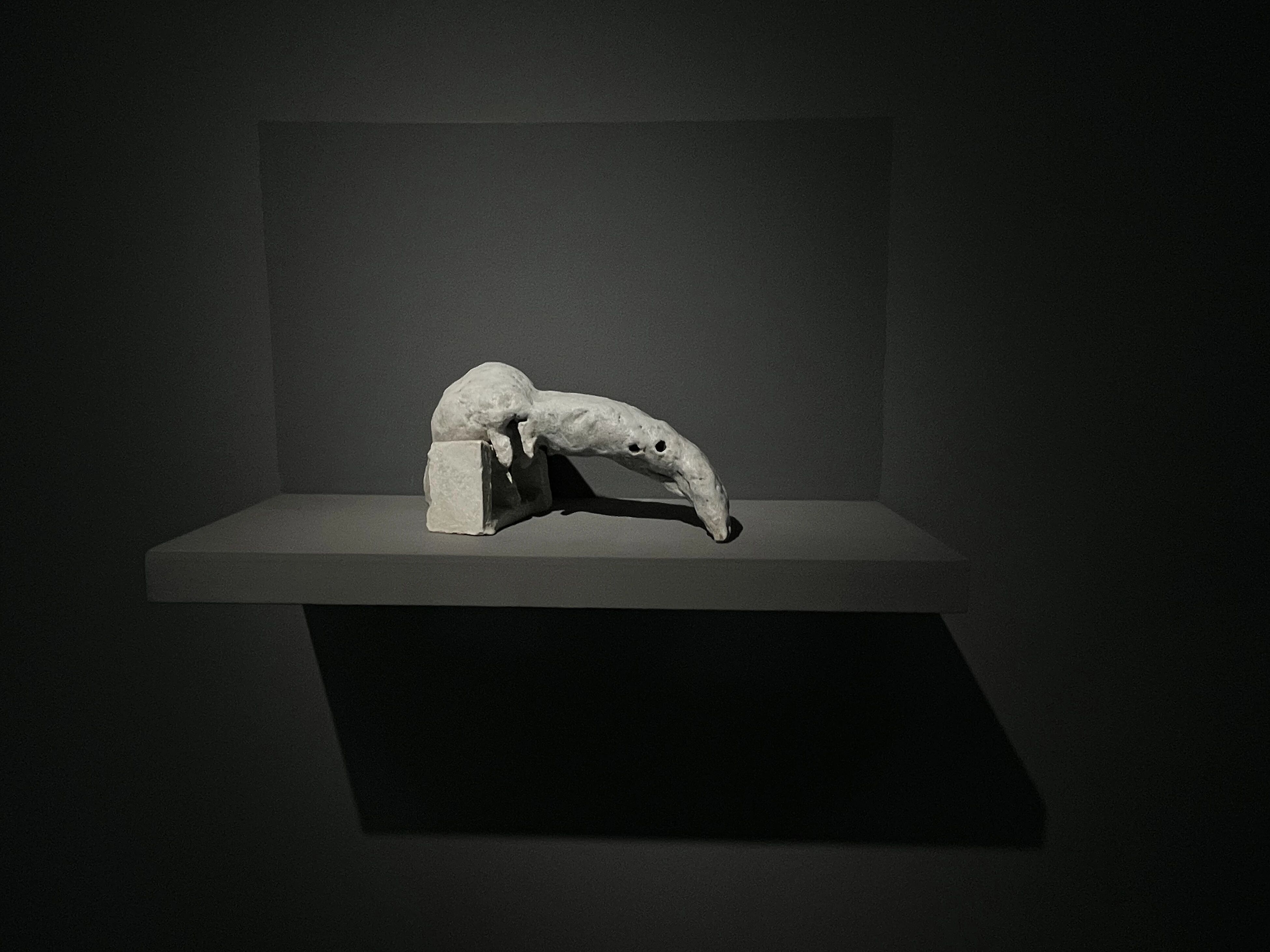
总之,要跳出“为获奖而参赛”的短期目标,把国际陶艺平台的资源真正引入课堂,让双年展的能量滋养陶瓷专业教学的可持续发展。
Q:随着AI等技术介入,评判陶艺作品的核心标准动摇了吗?“手工温度”与“情感注入”是否仍是不可替代的基石?
A:人工智能的辅助,确实拓展了陶瓷艺术的创作边界,借助机械力量也催生出了全新的作品样式。但在相当长一段时间里,这种创作方式不会占据主流,更谈不上替代传统创作。尤其是在艺术创作领域,大部分创作者都有自己长期养成的创作模式,只有少部分人愿意尝试将新技术应用到陶艺创作中。虽然愿意关注新技术的观众比例稍高,但AI技术在陶瓷艺术领域的参与程度,终究取决于使用者和受众的意愿。
非手工成型的陶瓷作品,没有“呼吸”,没有手工制作的细微误差,换来的是复杂的形态与极致的精度。但恰恰是这种“完美”,更衬托出手工作品的“有机性”。在技术的对照下,手工文明作为陶艺创作的价值基石,地位反而更加凸显,也更值得我们珍视。
Q:陶艺领域存在“产业与艺术割裂”的现象。紧邻佛山的广美,如何看待这一问题?如何搭建桥梁?
A:艺术家的作品和企业的产品,其实可以双向融合。品牌需要艺术赋能来提升内涵,艺术家是艺术创作的最终实践者,二者碰撞完全能激发出新的创作灵感。
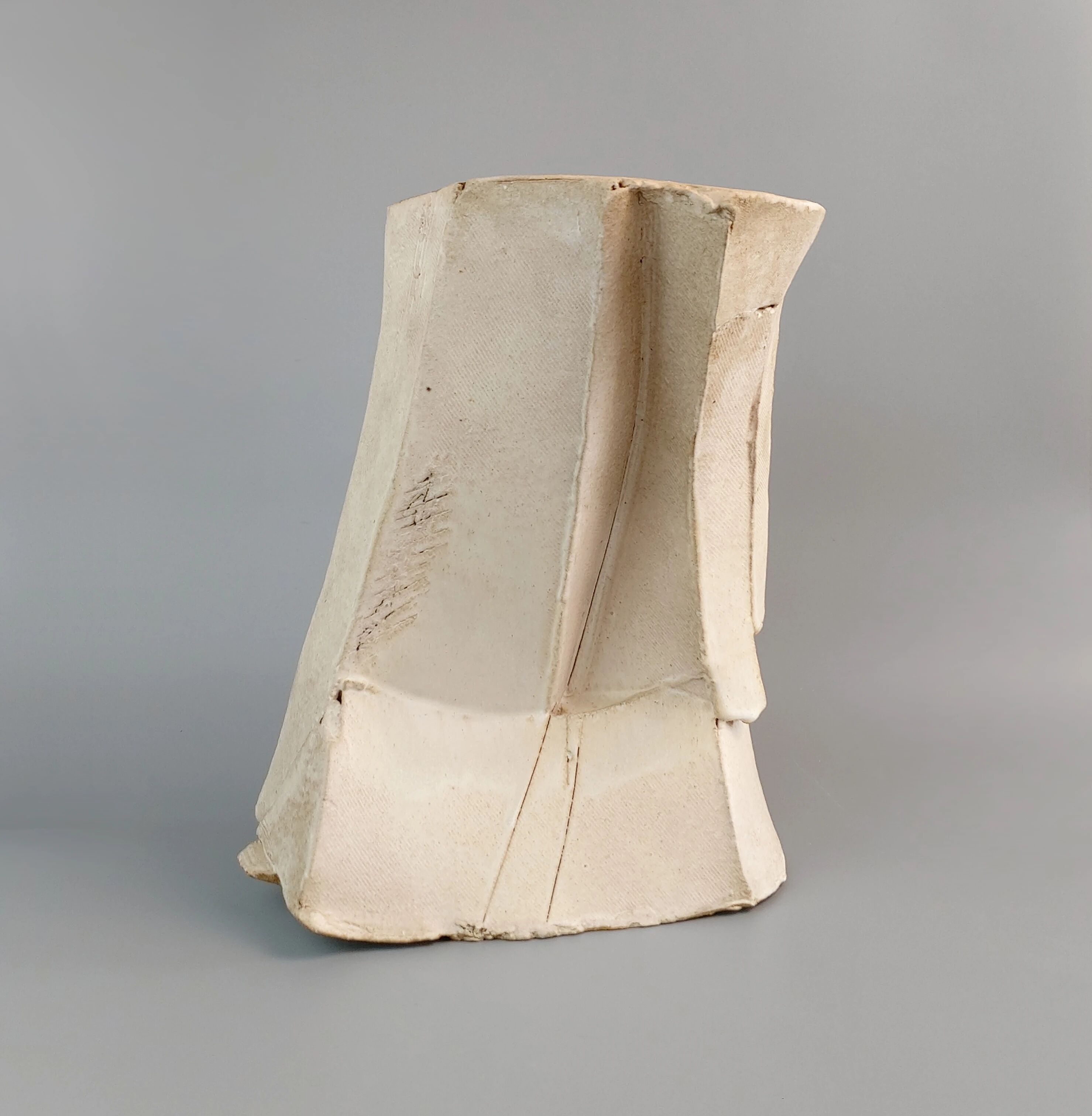
要明确的是,艺术家的风格千差万别,品牌的定位也各不相同,二者合作需要足够的默契。从合作方式来说,首先要尊重个体差异,找到适配的合作模式,才能实现双赢。其次,合作的形式并非一成不变,遇到合适的契机,艺术家和企业完全能探索出更多创新的合作路径。
当然,品牌有自身的发展主张,艺术家也不能奢望深度左右品牌的发展方向。虽然已有不少成功案例,但产业与艺术的融合,依然有很大的提升和发展空间。
Q:你在年轻一代的创作中,看到了哪些令人兴奋的“自由和无所顾忌”?他们最大的诱惑或陷阱是什么?参加双年展对他们的核心价值何在?
A:我觉得年轻人的这种自由和无所顾忌,是建立在信息快速传播与经济条件改善的基础上的,或者说,这些条件为他们的创作提供了底气。那些能充分利用这些优势,再加上自身素质过硬、足够勤奋的年轻人,往往能很快脱颖而出——毕竟双年展这样的平台,给了他们崭露头角的机会。
我个人认为,年轻人要自信,但不能排斥沟通。要有自己的创作理念和审美标准,坚持自我风格持续输出,而不是长时间把获奖作品或名家名作当作标杆去模仿。
我们鼓励学生参与重要比赛和展览,说实话,这不仅能帮他们积累创业资金、获得行业认可,更能让他们在国际平台上分享自己的创作主张,甚至形成具有辨识度的个人风格。这些,都能为他们长期深耕陶艺之路,奠定坚实的基础。
Q:对于2026年第三届双年展,除了展示作品,你最期待它在哪些方面实现突破?
A:其实我在日常创作中发现,如果不是特意为赛事创作,作品很可能会脱离比赛的评比标准,这让我意识到,赛事或许存在一套相对固定的评分体系。尽管景德镇双年展已经划分了多种作品类别,但我还是担心,一些优秀的陶瓷艺术创作者会因此错失获奖和被关注的机会。一场比赛能否同时实现“评选优秀作品”与“扶植优秀艺术家”两个目标?这是我的疑问,也是我的期待。或许可以通过增设“双年展落选展”或“双年展推荐展”来解决这个问题。
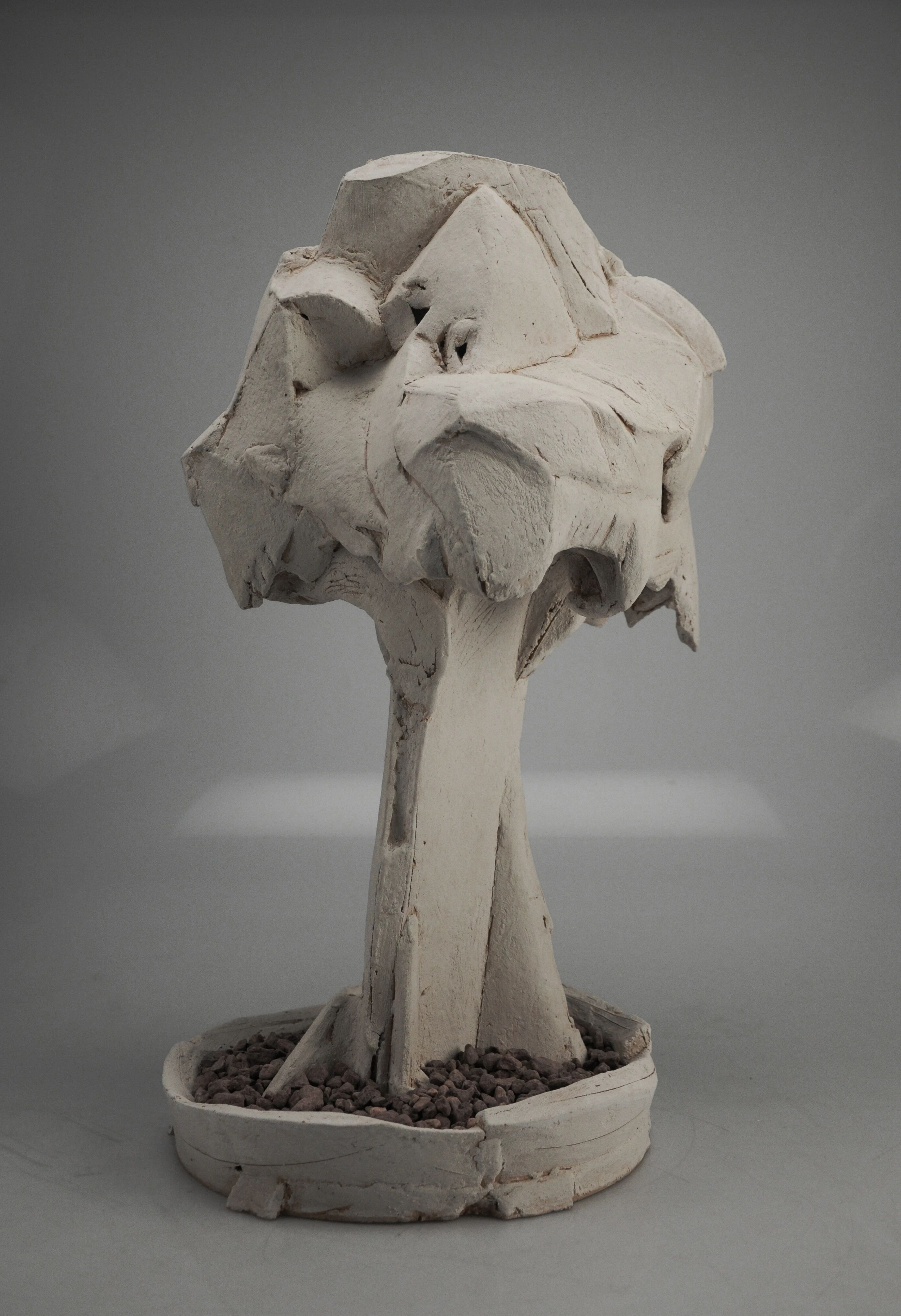
至于你提到的学术议题、展览机制等方面,我觉得往届策展团队已经做得非常到位,他们的付出值得敬佩。
我还期待,双年展在展现国际陶艺最高水平的同时,能在后续环节中,多关注一些有想法的小体量作品——那些不那么宏大、不那么复杂、不那么“高难度”的作品,这也是对双年展内容的一种拓展。
Q:最后,请为即将投身第三届双年展及更广阔创作的全球青年陶艺家说几句寄语。
A:其实我更多的是羡慕他们,能生长在这样一个好时代。大部分年轻人都能找到合适的创作空间和烧制条件,能带着作品参加自己心仪的展览和比赛。每个人都能运营自媒体,分享创作历程,吸引同好关注。
但我希望他们能把握好这些外部条件,让这些资源为自己所用,而不是被过多外界因素干扰。希望他们能保持创作初心,拥有更长久的艺术生命,永远享受陶艺创作带来的美好。
2026“瓷的未来”景德镇国际陶艺双年展
报名截止时间:2025年12月31日
报名入口:
http://www.cjicb.com/News20251211.html
英文版
Exclusive Interview | Wang Qi: The Renewal of Ceramic Tradition and Contemporary Breakthroughs
Interview Notes:
From the former Central Academy of Craft Art, through ten years of immersion in“free ceramic art”in Germany, to deep engagement in teaching and research at the Guangzhou Academy of Fine Arts, Wang Qi’s ceramic practice and thinking unfold across cultures and systems—reacting, transforming, and taking shape. When Jingdezhen kaolin encounters global currents of contemporary art, new answers emerge from the collision between tradition and innovation. This conversation with Wang Qi reveals the perseverance and reflection of a ceramic art educator deeply committed to the field.
The Jingdezhen Biennale is far from a simple accumulation of works; it is a platform that catalyzes a chemical reaction between the genetic code of traditional craftsmanship and contemporary ideas. The influx of young people injects vitality into this ancient ceramic city. With fearless freedom, they release distinct artistic positions on the exhibition floor.
In Wang Qi’s calm narration, one senses an optimism about the future—rooted in confidence without limits and freedom without hesitation. Perhaps this is the most precious“catalyst”in all artistic creation: free growth grounded in fertile soil.
Wang Qi
Director, Ceramic Art & Design Teaching and Research Section,
Guangzhou Academy of Fine Arts
Member, Ceramic Art Committee, China Artists Association
Member, International Academy of Ceramics (IAC)
Interview Notes
Q = Yu Lingna
A = Wang Qi
Q: From your studies at the Central Academy of Craft Art to further training in Germany, and then settling at the Guangzhou Academy of Fine Arts, you have always emphasized material and technique. Jingdezhen has deep traditions but is also an active site of contemporary experimentation. Do you think the Biennale can catalyze a deeper“chemical reaction”between its local genetic code and global artistic currents, rather than a simple juxtaposition?
A: It is precisely influential exhibitions like the Biennale that can truly drive Jingdezhen’s“transformation.”The traditional skills here have never been sealed away; they have always been studied and practiced. As a result, the ceramic language passed down for thousands of years possesses strong vitality and inclusiveness. Today’s Jingdezhen is rapidly modernizing as a city, and countless young people are drawn to its increasingly open and inclusive atmosphere. They have become the core source of its vitality, giving contemporary artistic ideas room to circulate and grow.
The scale, professionalism, and international influence of the Jingdezhen International Ceramic Art Biennale—combined with sustained investment—have, in a relatively short time, established a“de-hierarchized”platform for dialogue in contemporary ceramic art. In the works of young people from around the world, new concepts and perceptions are fully released. The Biennale has truly become a catalyst that allows contemporary artistic thought to take root and sprout in kaolin clay.
Q: Based on your observation of the first two Jingdezhen Biennales, has it successfully catalyzed the integration of Jingdezhen’s“traditional craft genes”with“global contemporary thinking”? What does this reveal about the vitality and bottlenecks of China’s contemporary ceramic ecosystem?
A: First of all, I believe that within the Biennale’s academic field, traditional craft genes and contemporary thinking have already generated a chemical reaction that goes beyond simple juxtaposition. Through this platform, our ideas, techniques, and materials are presented to—and shared with—the world, while engaging in two-way interaction. Our traditional craft genes themselves are highly practical and fluid, and they are also capable of influencing so-called“global trends.”
Secondly, we should not underestimate the central role that large-scale exhibitions play in promoting artistic thought. This is precisely one of the reasons why the Biennale needs to continue.
Today, the threshold for ceramic creation at the individual level has been significantly lowered. Equipment is sophisticated, and studio space is relatively accessible. This provides conditions for experimentation and innovation, and also fosters a broader base of participants. In short, any project with active participation from young people tends to have a promising future.
Q: How do the times and the social environment influence artistic creation? What notable changes have emerged in ceramic art in recent years?
A: Different historical contexts shape different expressive logics and value orientations in artworks. Most art forms have their own developmental trajectories. In contemporary ceramic art, today’s social environment and technological progress are driving changes in creative concepts and improvements in technical capability. As a result, ceramic works are also changing: the themes artists engage with are becoming increasingly diverse; there are more options for forming processes; and artists are more willing to work in large spaces to create large-scale works. Advances in post-production techniques have also made works increasingly refined. These may well become trends for a certain period—but they are also aspects we need to remain cautious about.
Q: Can the strong sense of presence and social interaction at the Biennale compensate for certain limitations of academic education, offering young artists a model of“learning in a boiling现场”? What impact or supplementation does this bring to teaching?
A: The Biennale site can indeed be very“boiling,”but on-campus teaching has a stable system that has been passed down and continuously refined over many years. As someone working on the front line of teaching organization, I believe the Biennale is one of the few major events in China where one can observe high-level ceramic works on site. We all value such opportunities for participation, learning, and exchange.
Since 2018, the ceramic program at the Guangzhou Academy of Fine Arts has focused on linking with industry, especially through industry–academia–research collaborations with architectural ceramics enterprises in Foshan. Our aim is to cultivate application-oriented talents who can contribute to industrial development. We regard ceramic creation as an important form of training for students to master materials and techniques and to enhance their aesthetic literacy in ceramics—capabilities that enterprises also highly value in talent recruitment.
Therefore, for us, the Biennale functions as a high-quality archive of exemplary works. We organize and lead students to visit the exhibition, observe outstanding works, and participate in this major industry event.
Q: As a director of a teaching and research section, how do you think institutions should proactively engage deeply with the Biennale and transform its energy into sustainable teaching resources rather than a fleeting celebration? Are there concrete mechanisms?
A: The curatorial themes of the Biennale often closely follow frontier trends in ceramic art, such as material experimentation, cross-disciplinary integration, and future-oriented thinking. As a section head, we can try to break down each Biennale theme into specific teaching topics and integrate them into professional courses. This allows students to engage directly with international frontier issues within their coursework, rather than completing assignments in isolation.
During the Biennale, leading ceramic artists and curators from around the world gather—this is an exceptionally high-quality academic resource. We can cooperate with the Biennale organizing committee to invite some participating artists into classrooms for lectures and workshops, or even have them co-supervise postgraduate projects with faculty members, jointly completing creative projects of academic value.
In short, we need to move beyond the short-term goal of“competing for awards”and truly bring the resources of international ceramic platforms into the classroom, allowing the energy of the Biennale to nourish the sustainable development of ceramic education.
Q: With the involvement of technologies such as AI, have the core criteria for judging ceramic works been shaken? Are“the warmth of the hand”and“emotional investment”still irreplaceable foundations?
A: The assistance of artificial intelligence has indeed expanded the boundaries of ceramic creation, and the use of mechanical power has given rise to entirely new forms of work. However, for quite a long time, this mode of creation will not become mainstream, let alone replace traditional practices. Especially in the field of art, most creators have long-established working methods, and only a small number are willing to experiment with applying new technologies to ceramic creation. While the proportion of audiences interested in new technologies may be somewhat higher, the extent of AI’s involvement in ceramic art ultimately depends on the willingness of both users and audiences.
Ceramic works formed without handcraft lack“breath”and the subtle imperfections of manual making, in exchange for complex forms and extreme precision. Yet it is precisely this“perfection”that highlights the“organic quality”of handmade works. In contrast with technology, handcrafted civilization becomes even more prominent as the value foundation of ceramic creation—and all the more worthy of our cherishing.
Q: There is often a perceived divide between industry and art in ceramics. Located next to Foshan, how does the Guangzhou Academy of Fine Arts view this issue, and how can bridges be built?
A: Artists’works and corporate products can, in fact, merge in both directions. Brands need artistic empowerment to enrich their cultural depth, and artists are the ultimate practitioners of artistic creation. The collision between the two can certainly spark new creative inspiration.
What must be clarified is that artists’styles vary greatly, just as brands have different positioning. Cooperation requires sufficient mutual understanding. In terms of collaboration models, the first principle is to respect individual differences and find suitable modes of cooperation in order to achieve win–win outcomes. Secondly, collaboration formats are not fixed; given the right opportunities, artists and enterprises can explore more innovative paths together.
Of course, brands have their own development agendas, and artists should not expect to deeply steer a brand’s direction. Although there are already many successful cases, there is still considerable room for growth and improvement in the integration of industry and art.
Q: In the work of the younger generation, what kinds of exciting“freedom and fearlessness”do you see? What are their biggest temptations or pitfalls? What is the core value of participating in the Biennale for them?
A: I think the freedom and fearlessness of young people are built upon rapid information circulation and improved economic conditions—or, in other words, these conditions give them confidence in their creation. Those who can fully leverage these advantages, combined with solid personal qualities and diligence, often stand out quickly. After all, platforms like the Biennale offer them opportunities to emerge.
Personally, I believe young people should be confident but not reject communication. They need their own creative concepts and aesthetic standards,坚持自我风格并持续输出, rather than spending long periods imitating award-winning works or famous masters as benchmarks.
We encourage students to participate in important competitions and exhibitions. Frankly speaking, this not only helps them accumulate start-up funds and gain industry recognition, but also allows them to share their creative positions on international platforms and even form highly recognizable personal styles. All of this lays a solid foundation for their long-term commitment to ceramics.
Q: For the third Biennale in 2026, beyond showcasing works, where do you most hope to see breakthroughs?
A: In my daily practice, I have noticed that if a work is not created specifically for a competition, it may diverge from the judging criteria. This made me realize that competitions may operate with relatively fixed evaluation systems. Although the Jingdezhen Biennale has already divided works into multiple categories, I still worry that some outstanding ceramic artists may miss out on awards and attention as a result. Can a competition simultaneously achieve the goals of“selecting excellent works”and“supporting outstanding artists”? This is both my question and my expectation. Perhaps introducing mechanisms such as a“Biennale Non-Selected Exhibition”or a“Biennale Recommendation Exhibition”could address this issue.
As for academic themes and exhibition mechanisms, I think previous curatorial teams have already done an excellent job—their efforts deserve great respect.
I also hope that while presenting the highest international standards of ceramic art, the Biennale will, in its subsequent stages, pay more attention to small-scale works with strong ideas—works that are not so grand, not so complex, not so“high-difficulty.”This would also be an expansion of the Biennale’s content.
Q: Finally, could you offer a few words to young ceramic artists around the world who are about to engage in the third Biennale and broader creative journeys?
A: In truth, I feel more envy than anything else—they are growing up in such a favorable era. Most young people can find suitable studio spaces and firing conditions, and can take their works to exhibitions and competitions they admire. Everyone can operate their own social media, share their creative processes, and attract like-minded followers.
But I hope they can make good use of these external conditions, allowing resources to serve them rather than being overly distracted by external factors. I hope they can maintain their original creative intentions, enjoy longer artistic lives, and always take pleasure in the beauty that ceramic creation brings.
2026“The Future of Ceramics”Jingdezhen International Ceramic Art Biennale
Registration Deadline:December 31, 2025
Registration Portal:
http://www.cjicb.com/News20251211.html
(责任编辑:刘欢 审稿:兰茜 刘欢)