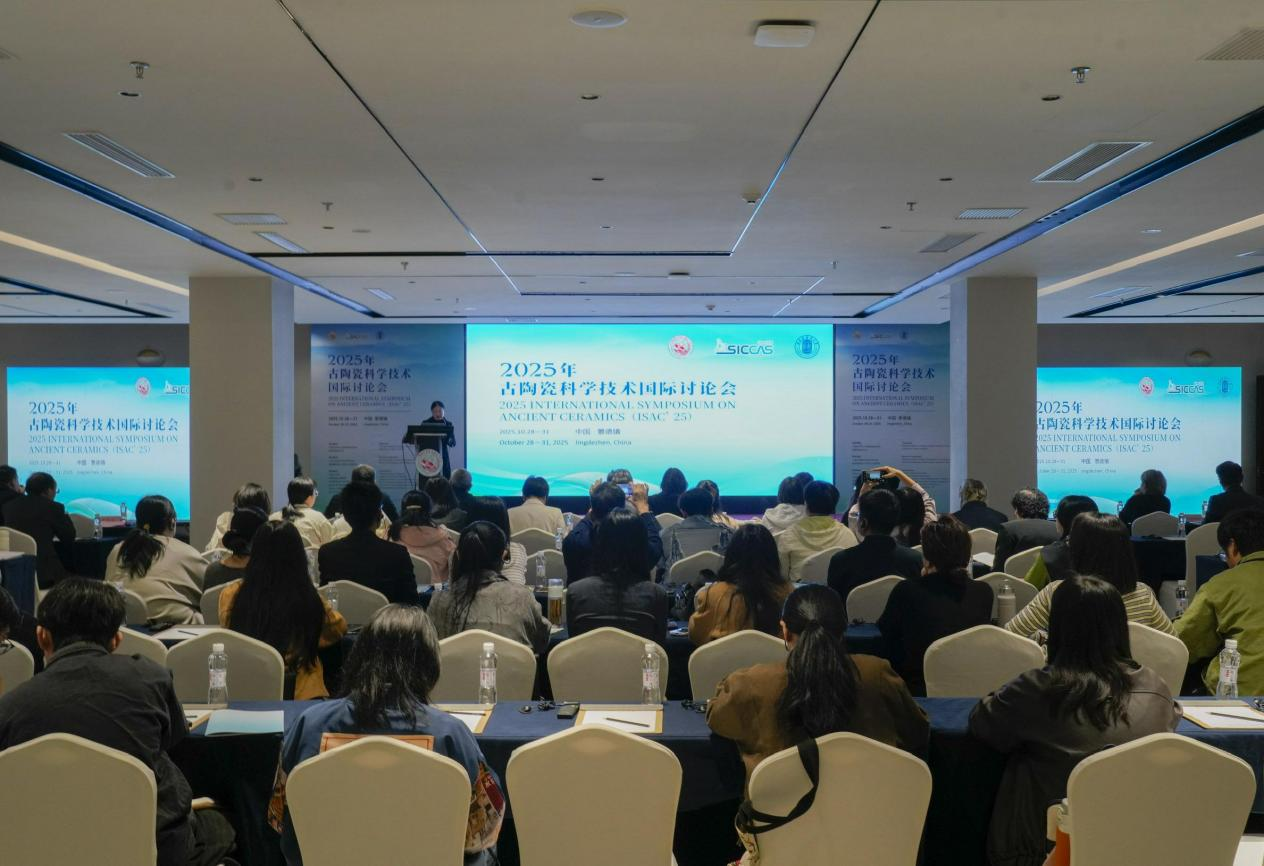
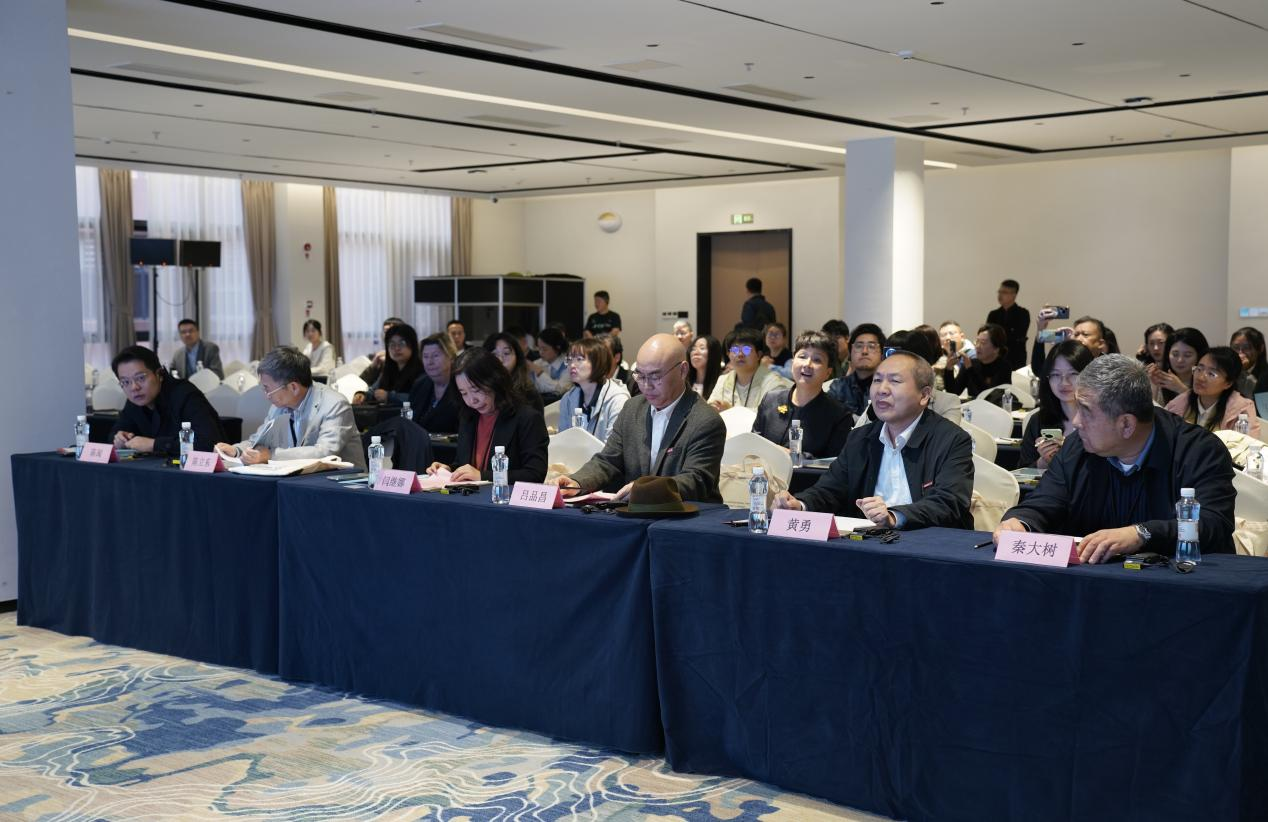
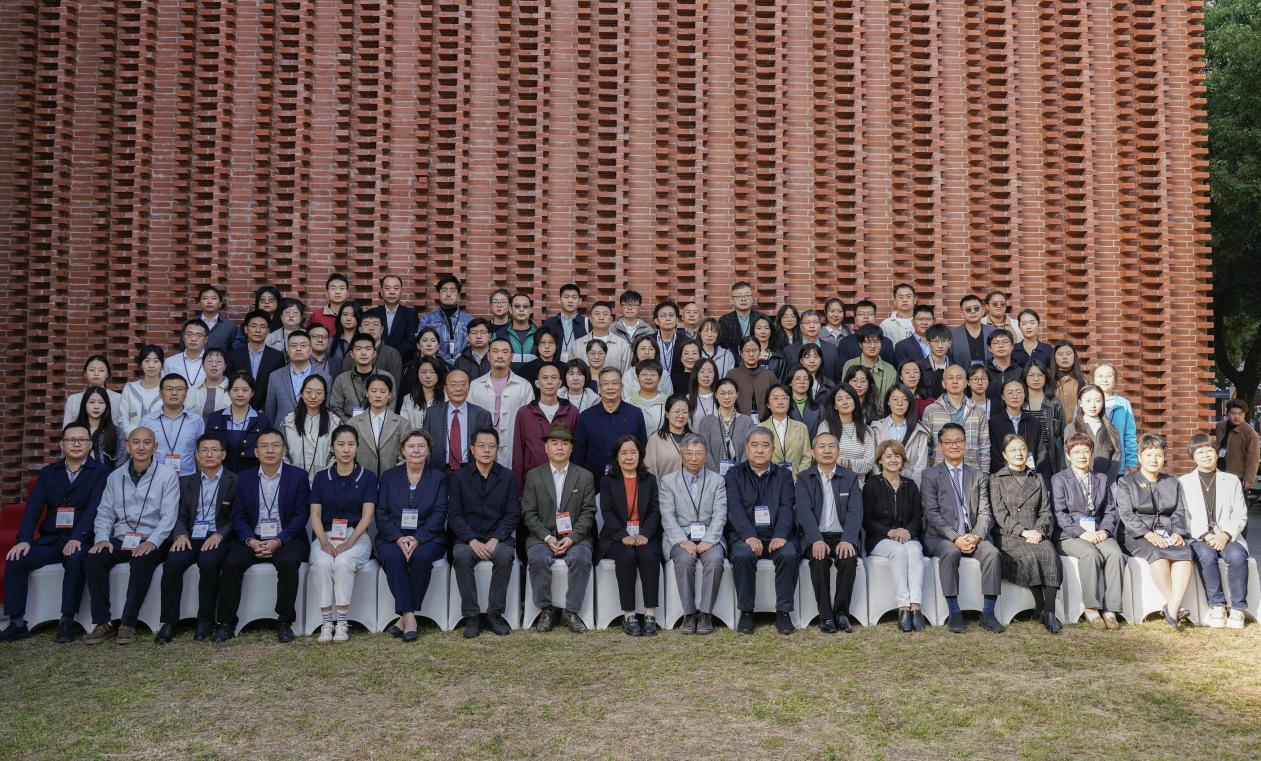
On the morning of October 29, the 2025 International Symposium on Ancient Ceramics (ISAC’ 25)was ceremoniously held in Jingdezhen. Yan Jina, Deputy Director of the Shanghai Institute of Ceramics, Chinese Academy of Sciences (CAS), and LüPinchang, Deputy Secretary of the CPC Committee and Vice President (in charge of administrative affairs) of Jingdezhen Ceramic University (JCU), attended the opening ceremony and delivered keynote addresses.Also present at the opening ceremony were Chen Lidong, Academician of the Chinese Academy of Sciences and Researcher at the Shanghai Institute of Ceramics, CAS; Huang Yong, Vice President and Member of the JCU Standing Committeeof theParty Committee; Chen Min, Director of the Folk Kiln Museum at the Jingdezhen Ceramic Culture Inheritance and Innovation Center; Trinitat Pradell, Professor at the Polytechnic University of Catalonia (Spain); Bang Byung-sun, Professor at Korea University; and Qin Dashu, Professor at Peking University. The opening ceremony was chaired by Li Weidong, President of the ShanghaiResearchSocietyofScience and Technology of Ancient Ceramics and Researcher at the Shanghai Institute of Ceramics, CAS.
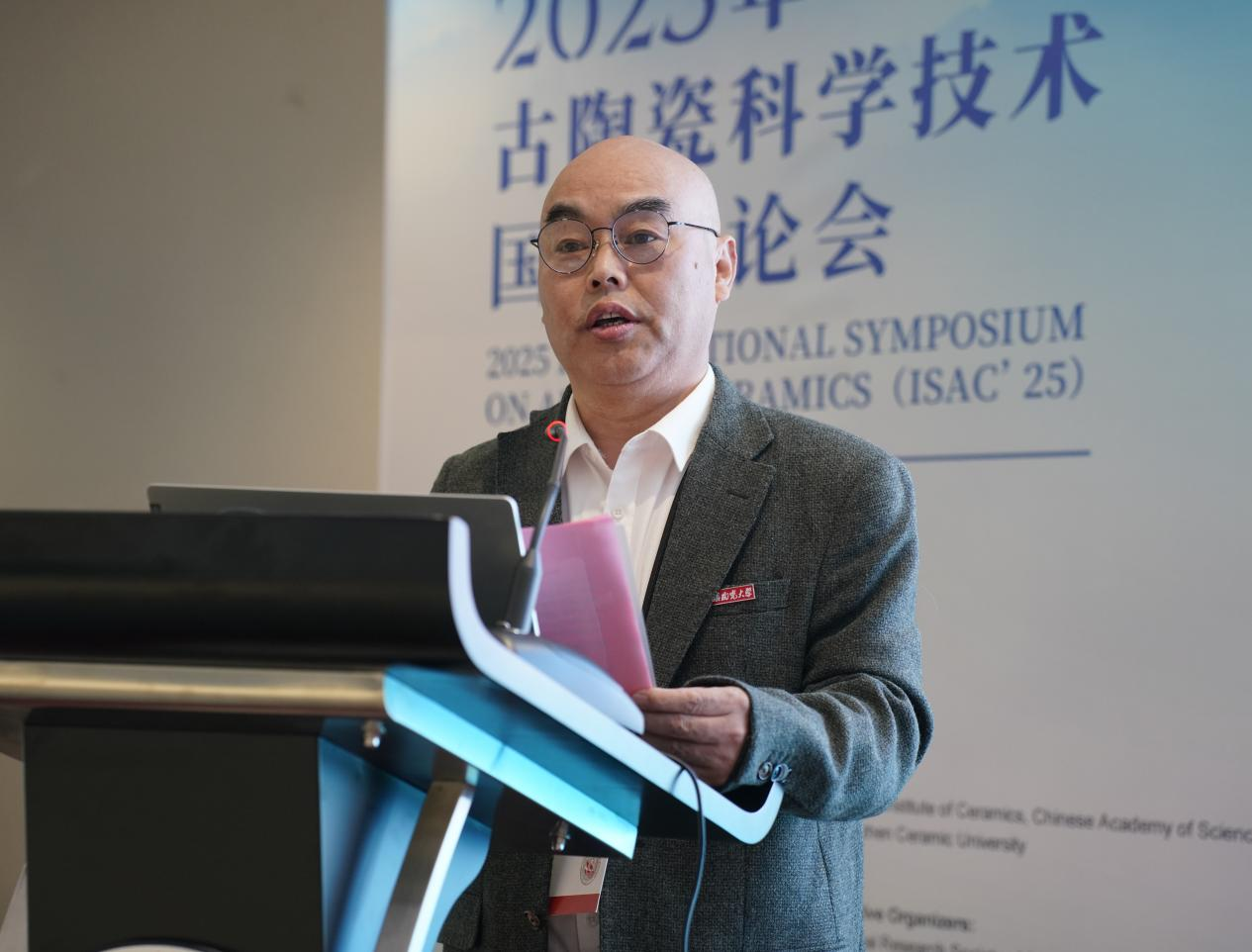
In his address, Lü Pinchang noted that Jingdezhen Ceramic University, the only multidisciplinary university in China named after ceramics, has long regarded the promotion of ceramic culture and the revitalization of the ceramic industry as its core mission. The university is committed to developing into a nationally and internationally influential hub for ceramic talent cultivation, scientific and technological innovation, and cultural and artistic exchange. Over the years, JCU has nurtured a large number of ceramic artists, entrepreneurs, and industry leaders, forming the distinctive “JCUphenomenon” and earning the reputation of being the “Whampoa Military Academy of Ceramics.” In recent years, the university has actively implemented Xi Jinping Thought on Culture and thoroughly carried out General Secretary Xi Jinping’s important directives on cultural relics and archaeological work. Grounded in its ceramic strengths, JCU has vigorously advanced the development of archaeology and museology disciplines. Lü emphasized that the 2025 symposium is not only a continuation of a respected academic tradition, but also a forward-looking endeavor, and he expressed his hope that the event would yield fruitful academic outcomes.
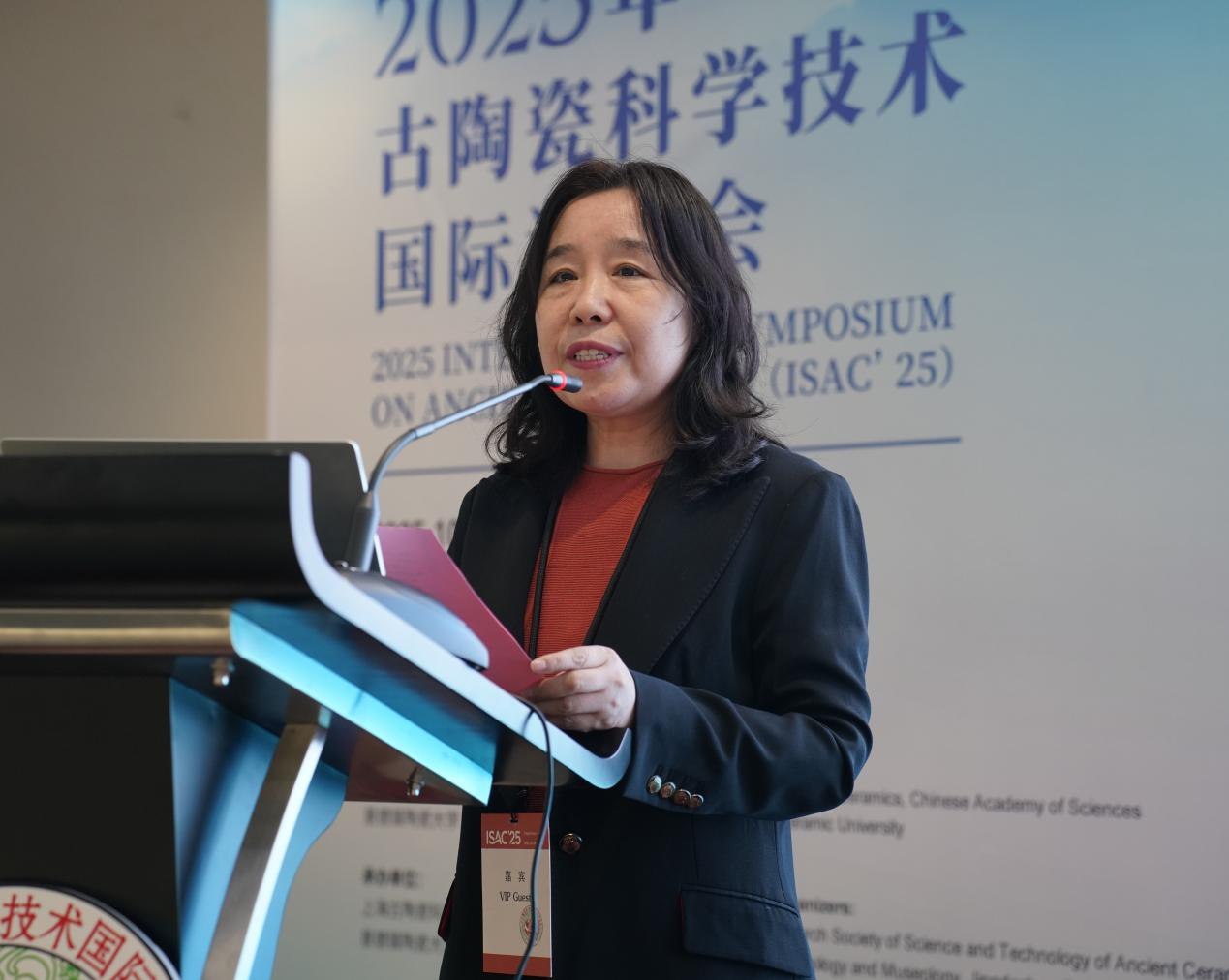
In her speech, Yan Jina reviewed the development of the ISAC series and elaborated on the unique value of ancient ceramics as a form of “material coding” of civilization. She noted that the symposium received 94 abstracts from scholars across more than a dozen countries and regions, including China, the United Kingdom, Germany, Spain, the Netherlands, Turkey, Russia, the United States, Japan, the Republic of Korea, Singapore, and Thailand. The submissions covered a wide range of cutting-edge topics such as scientific analysis of ancient ceramics, historical studies, conservation and restoration, and interdisciplinary methodologies. The breadth and depth of the research not only demonstrated the vitality of ancient ceramic studies but also highlighted the deep integration of traditional craftsmanship with modern science and technology. She expressed the hope that the symposium would inject new momentum into global research on ancient ceramics and contribute wisdom and strength to both cultural heritage preservation and technological innovation.
It is reported that the symposium was jointly hosted by the Shanghai Institute of Ceramics, Chinese Academy of Sciences, and Jingdezhen Ceramic University, and organized by the Shanghai Research Society of Science and Technology of Ancient Ceramics and the School of Archaeology and Museology of Jingdezhen Ceramic University. The event received joint support from the Chinese Academy of Sciences, the Jingdezhen Imperial Kiln Museum, the Folk Kiln Museum of the Jingdezhen Ceramic Culture Inheritance and Innovation Center, NETZSCH Scientific Instruments Trading (Shanghai) Co., Ltd., Suzhou Ivan Zhitong Instrument Technology Co., Ltd., and Nanjing Kathmatic Technology Co., Ltd.The three-day symposium featured an opening ceremony, keynote speeches, and plenary sessions. More than 70 experts and scholars from related fields delivered thematic presentations. Participants also conducted field visits to the Imperial Kiln Site, Hutian Ancient Kiln Site, Guanyinge Kiln Site, and Luomaqiao Ancient Kiln Site. The symposium not only provided a high-level platform for global experts in ceramic science and cultural studies, but also showcased China’s profound heritage and innovative vitality in ceramic science and cultural heritage conservation.
Text by Liu Xiaoping & Peng Kedong
Photos by Song Nuan & Zhang Siyan