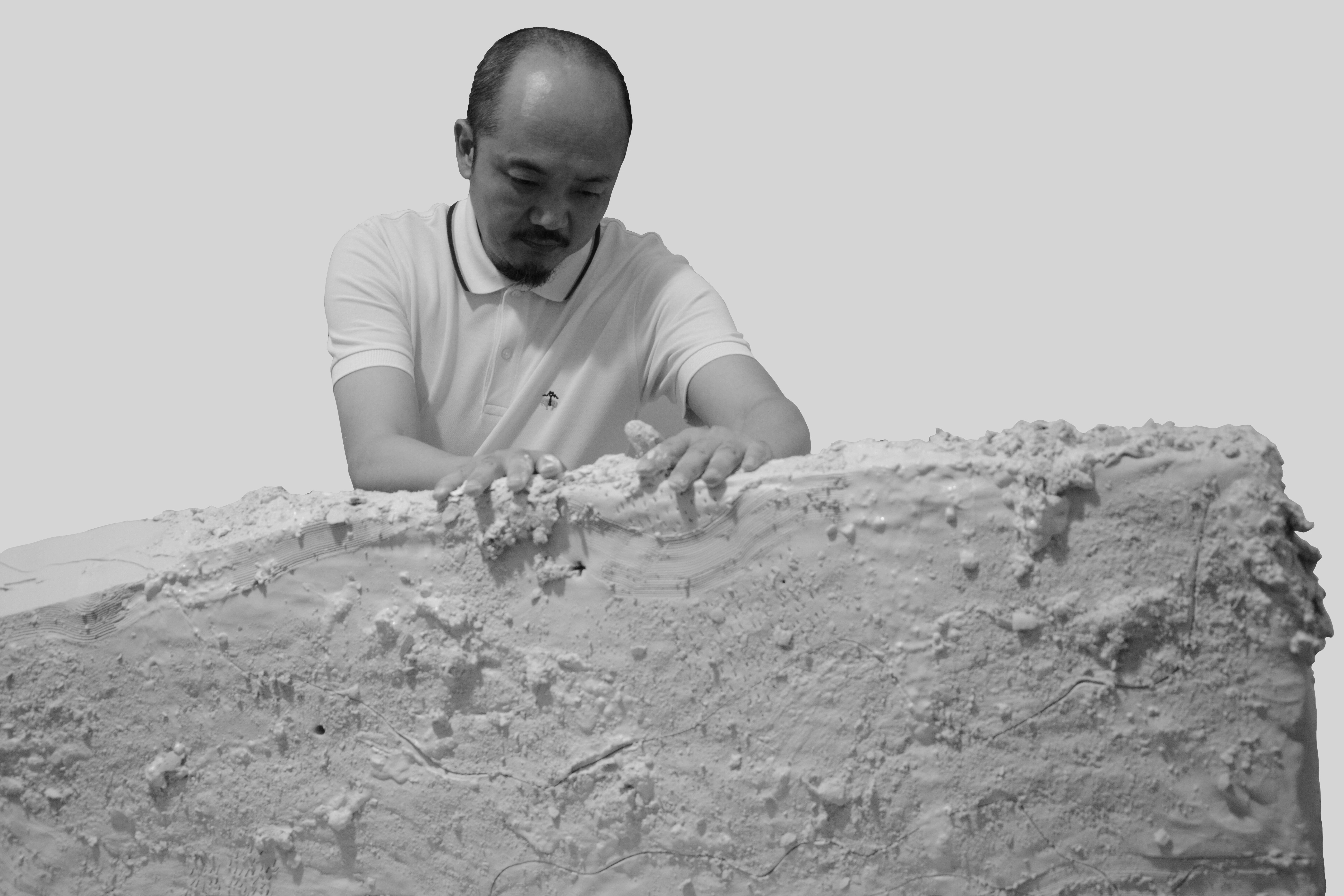
Bai Ming
Former Head and Professor, Department of Ceramic Art, Academy of Arts & Design, Tsinghua University
Doctoral Supervisor
Chair, Ceramic Art Committee, China Artists Association
Vice President, China Culture Promotion Association
Interview Notes:
As a representative figure of contemporary Chinese ceramic art, Bai Ming’s artistic philosophy is closely intertwined with his practice. His observations of Jingdezhen stem from a dual perspective—both internal and external. While deeply engaged in the study of traditional ceramic techniques, he has long worked within an international contemporary art context. As such, he affirms Jingdezhen’s technical heritage while remaining alert to how its “production-chain logic” may erode individual creativity. His views on Jingdezhen are sharp and dialectical: he cherishes its technical legacy yet warns against a lack of creative vitality.
Bai Ming describes himself as a “traditional” ceramic artist. In his understanding, tradition is not a replication of the past, but the most vivid form of “modernity” of any given era. In his eyes, the significance of the Biennale goes far beyond the static display of works; it forms a multidimensional arena of ideas—one that can be infinitely amplified through media, and whose impact far exceeds the limits of physical space.
Confronted with the sweeping tide of technology, Bai Ming offers a historically grounded and penetrating perspective. From ancient binary glaze formulas to today’s artificial intelligence, ceramics has always been both an ancient and a young art form within human civilization. Its essence has never changed: it is a dynamic process in which art and science continuously intersect through evolving modes of human understanding—and as such, it can never be confined.
Q :Yu Lingna
A :Bai Ming
Q:When we interviewed you during the first Biennale, you spoke about how hosting a high-level exhibition in Jingdezhen carried greater regional significance than in first-tier cities, particularly in terms of “connecting the origins of ceramics with the future.” Now, as the third Biennale—The Future of Ceramics—approaches, held concurrently with the 52nd IAC International Ceramic Congress, the event has evolved from a single exhibition into a global ceramic community. Has this fulfilled your expectations from back then?
A:First of all, it must be acknowledged that Jingdezhen Ceramic University has entered this vibrant era at a critical moment of the city’s upgrading and future-oriented transformation, fully demonstrating its academic leadership as China’s—and the world’s—only ceramic-focused university. The international impact formed by the first two editions has already become visible.
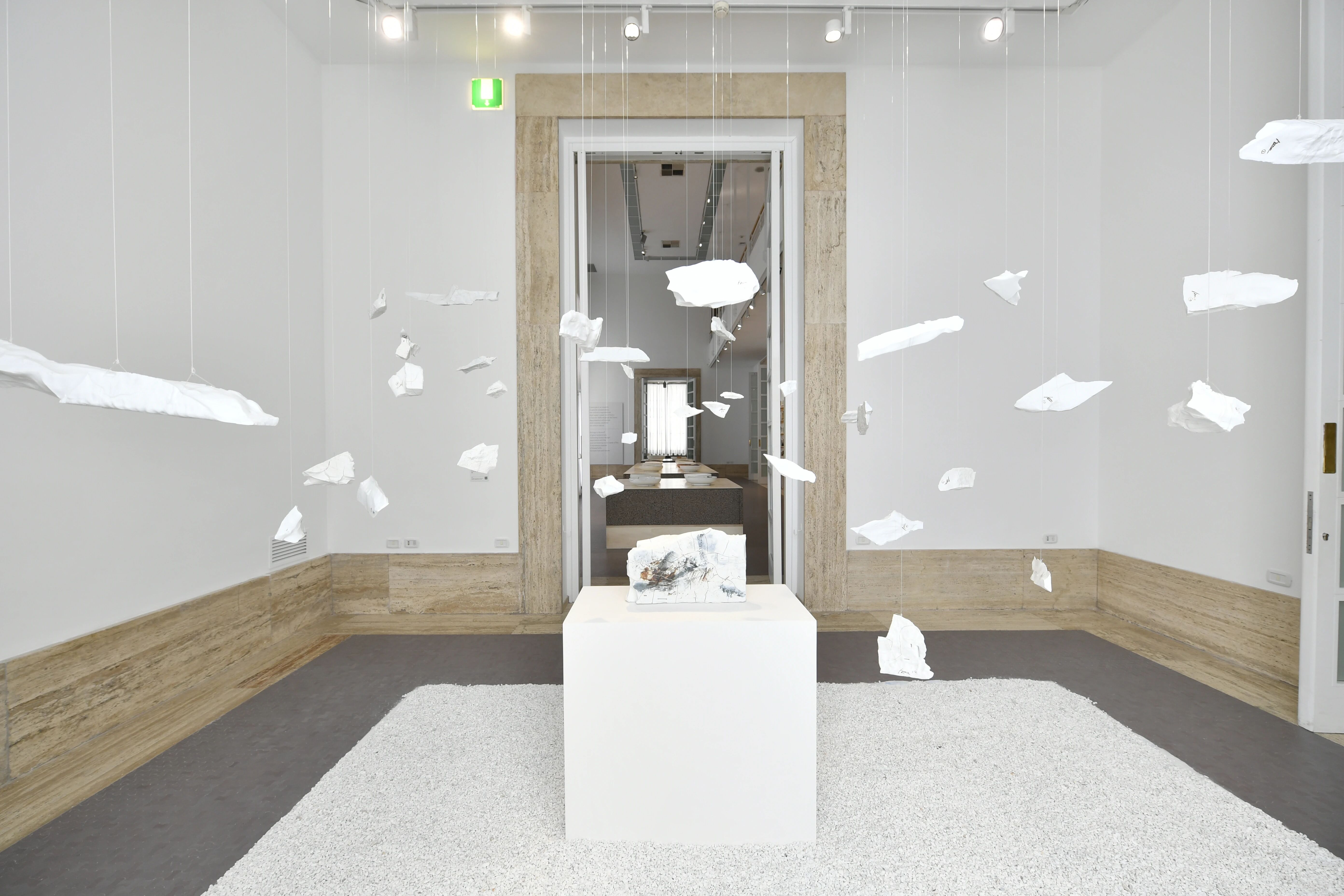
Incorporating the Biennale into the IAC Congress is an excellent opportunity. The first time the IAC was held in China was in 2008, in Fuping, Xi’an. This time, the “IAC Congress + Biennale” model will undoubtedly elevate both the international influence of Jingdezhen Ceramic University and that of Jingdezhen itself to a new level. It is a crucial step in enabling traditional ceramic production regions to move beyond past development models and re-expand their international reach.
From the perspective of an international exhibition held in a traditional ceramic production area, the Biennale’s overall scale, the breadth of participating artists, and the diversity of creative approaches have left a deep impression on me—this is no easy achievement.
Q:Over the past decade, rapid technological development has brought AI, digital art, and new materials into ceramic practice. With the 2026 Jingdezhen Biennale opening submissions to cross-disciplinary artists, how do you view the impact and integration of technology in ceramic art?
A:This is not a new question. Looking back through history, Chinese ceramic art has never been a closed system. It has always evolved alongside contemporary modes of understanding, integrating art, science, and everyday life. Today, it is increasingly difficult to define ceramics purely as art, craft, skill, or object—these concepts are interwoven like muscle fibers, impossible to separate.
In the Song dynasty, the discovery of a new clay body was itself a great technological breakthrough. The significance of discovering kaolin and the binary formula in Jingdezhen was no less than Columbus’s discovery of the New World. Our ancestors, through intuition and insight, found the balance between clay and firing temperature—an extraordinary achievement.
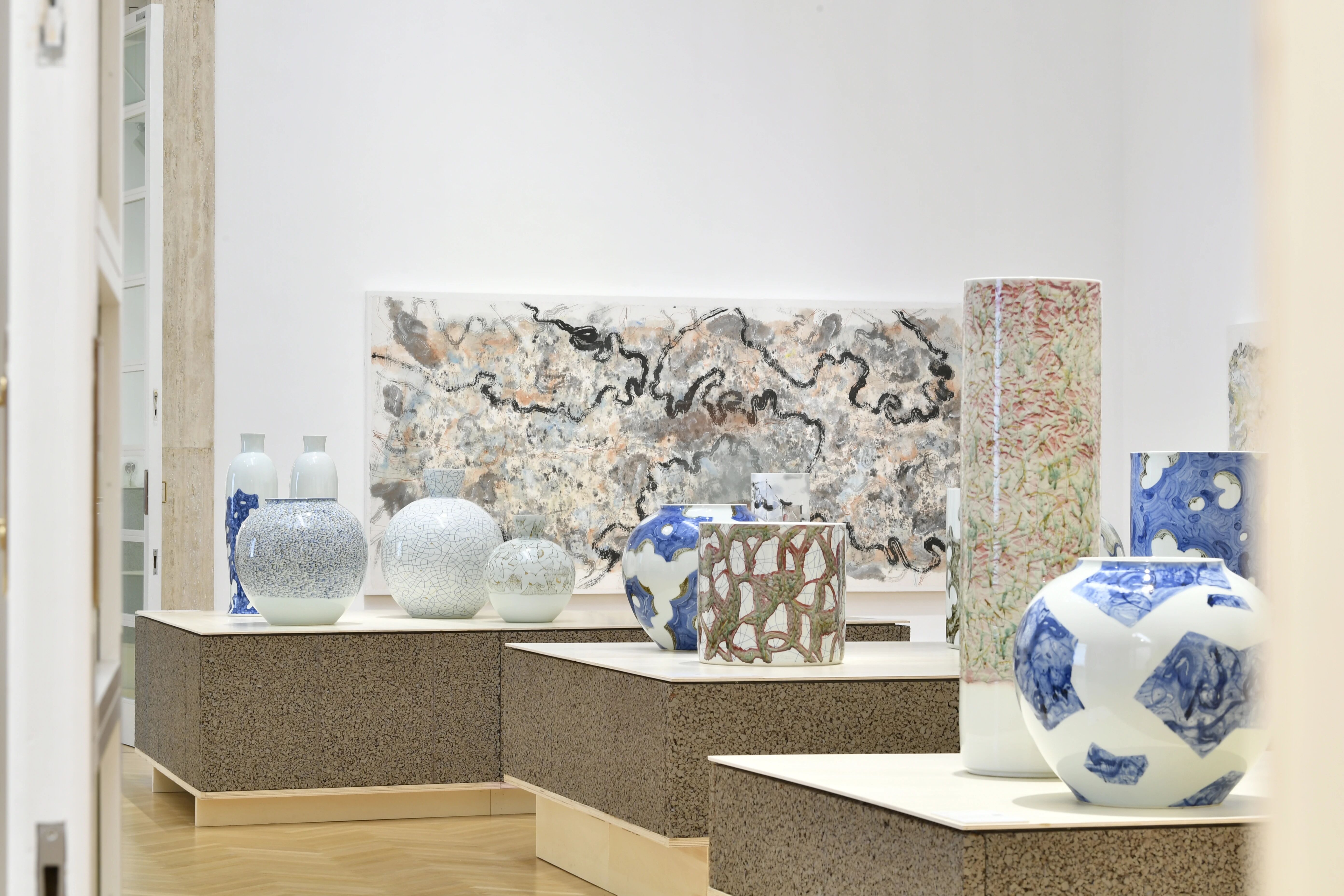
So today, in the face of new technologies, there is no need for confusion or self-imposed limitation. Ceramic art possesses remarkable resilience. Just as the camera transformed realism, AI will also assist human thinking. When technology ceases to be the sole threshold of creation, human creativity may, in fact, be further unleashed. The integration of ceramics with other art forms is an inevitable path.
Q:Beyond the Jingdezhen Biennale, you have been deeply involved in organizing major exhibitions such asChina White and the National Art Exhibition, and have held solo exhibitions in Venice, Belgium, and other major international venues. Having participated extensively in the contemporization of Chinese exhibitions, how do you define the core function of an exhibition?
A:In my view, the core function of an exhibition goes far beyond the display of works—that may account for only one percent of its value. More importantly, an exhibition presents, through its platform, the shared and diverse worldviews and systems of thought held by organizers, jurors, experts, and artists alike.
However, the number of people who can physically attend an exhibition is always limited. No matter how influential an exhibition may be, the boundaries of physical space cannot be broken. So what enables an exhibition’s discourse to expand and circulate infinitely? It is the media—journalists like yourself—through incisive questions and the exploration and presentation of varied responses, thereby shifting how the public understands the art system and the world behind it. The power generated by this process may far exceed that of the exhibition being seen in person.
Based on decades of promotion, writing, and curatorial practice—especially my involvement in organizing major exhibitions in recent years—I am increasingly convinced that what truly influences and moves serious thinkers is whether we are willing to honestly share the doubts, choices, and thought processes we experience while carrying out our work. This sincere revelation and articulation of “process” may hold greater intellectual value than a flawless final presentation.
Q:In your view, living in such a transitional and ever-changing era, how should young creators coexist with their times and find their own position within them?
A:In the past, I always hoped to “solve” problems. Later, I realized that I had not truly solved a single one—but I had changed something more fundamental: my perspective. It is precisely this shift in perspective that allows me today to face creation, teaching, writing, and curating with greater ease.
I have come to realize that the sum total of one’s thoughts, experiences, and practices over a lifetime constitutes the ultimate answer one gives to the world. It does not depend on a particular period, a specific work, or even a single experience. Just as our worldview is shaped by all the books we have read, and our character by the full range of our life’s joys and sorrows—no single book or event can define us.
If there is any progress to speak of, it is this: I am increasingly able to accept my true and complete self, and to regard life itself as an artwork in continuous formation.
Q:As a juror for all three editions of the Biennale and an artist with deep ties to Jingdezhen, your work is rooted in this city yet transcends its established aesthetic paradigms. What kind of deeper connection have you forged with Jingdezhen through your practice?
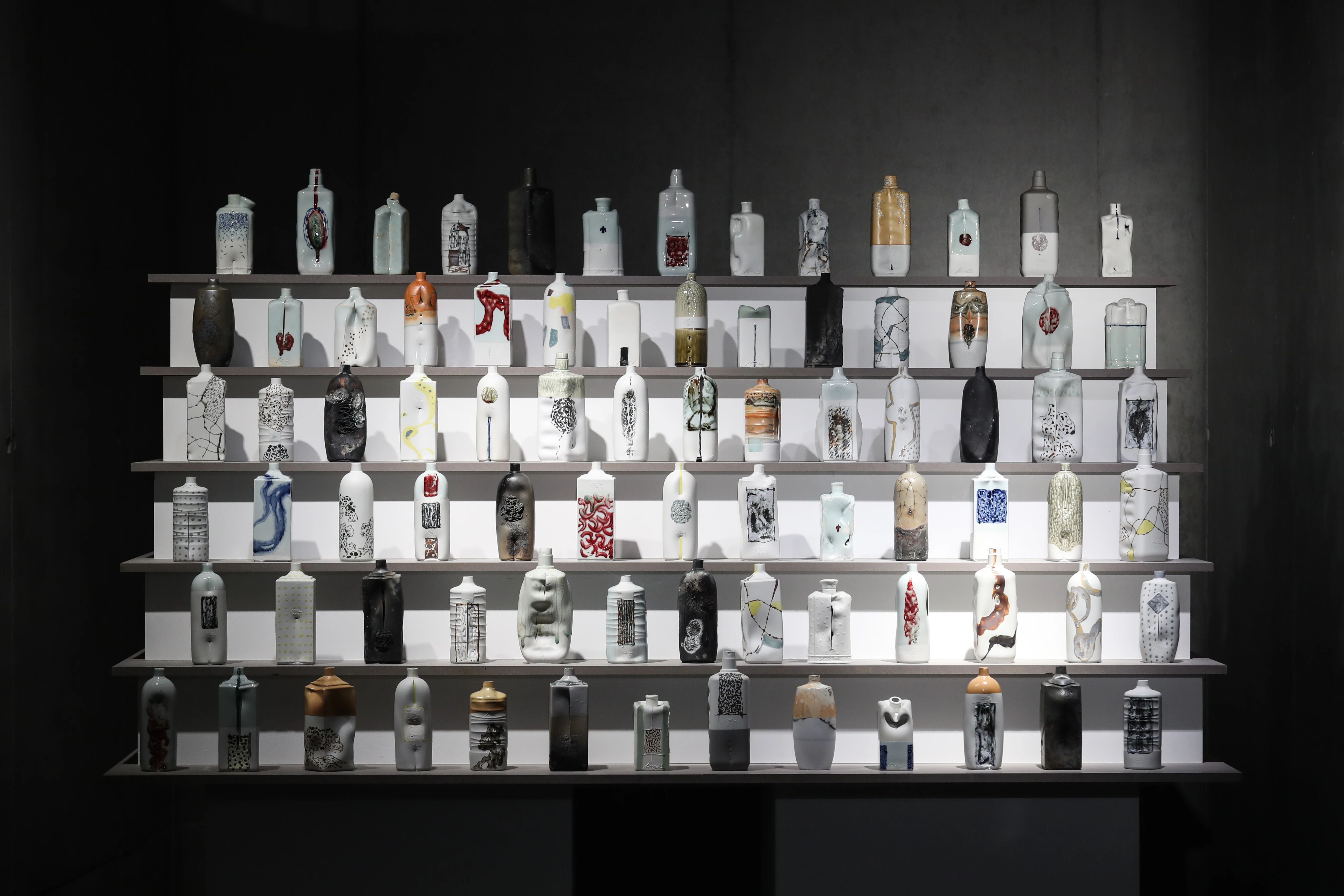
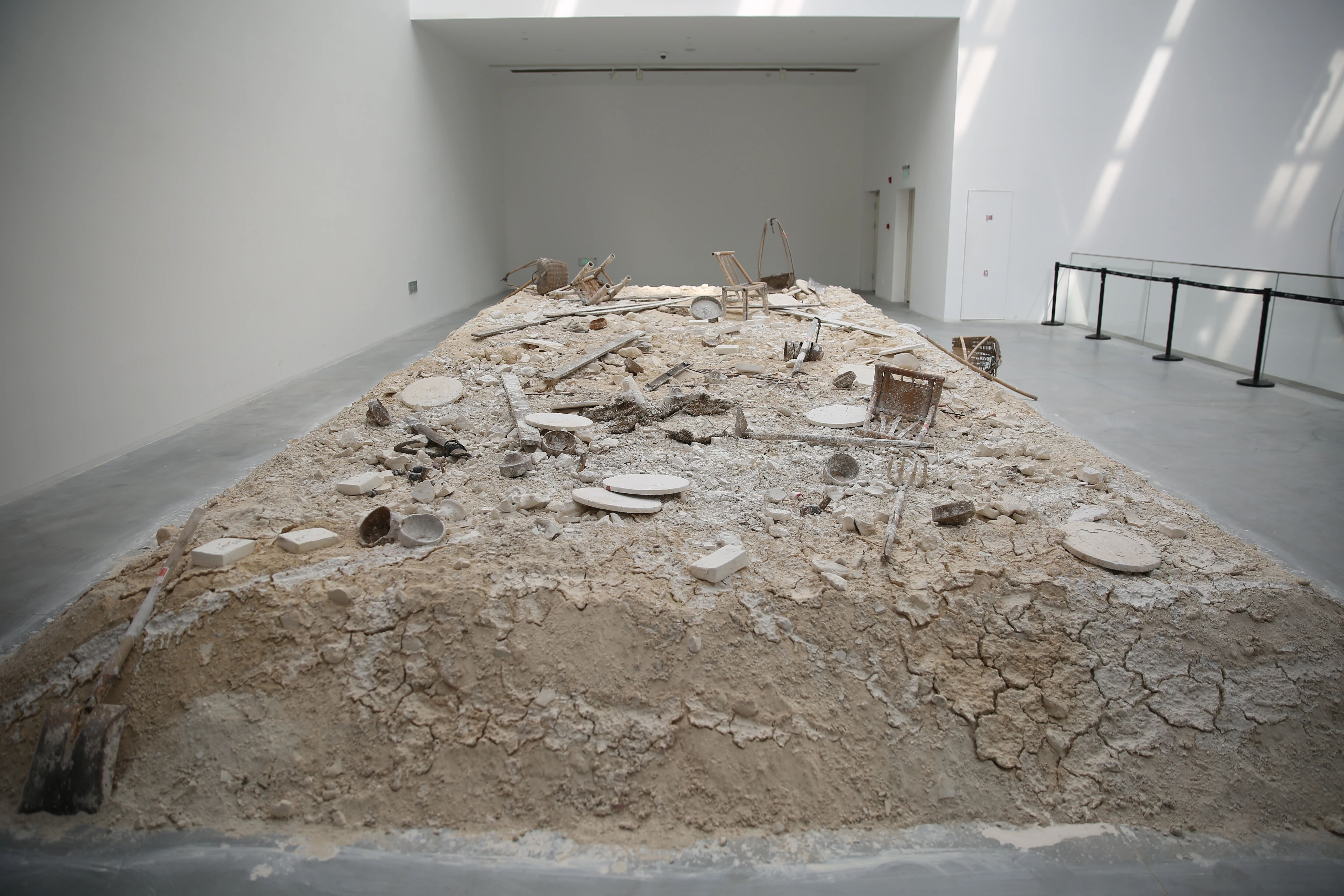
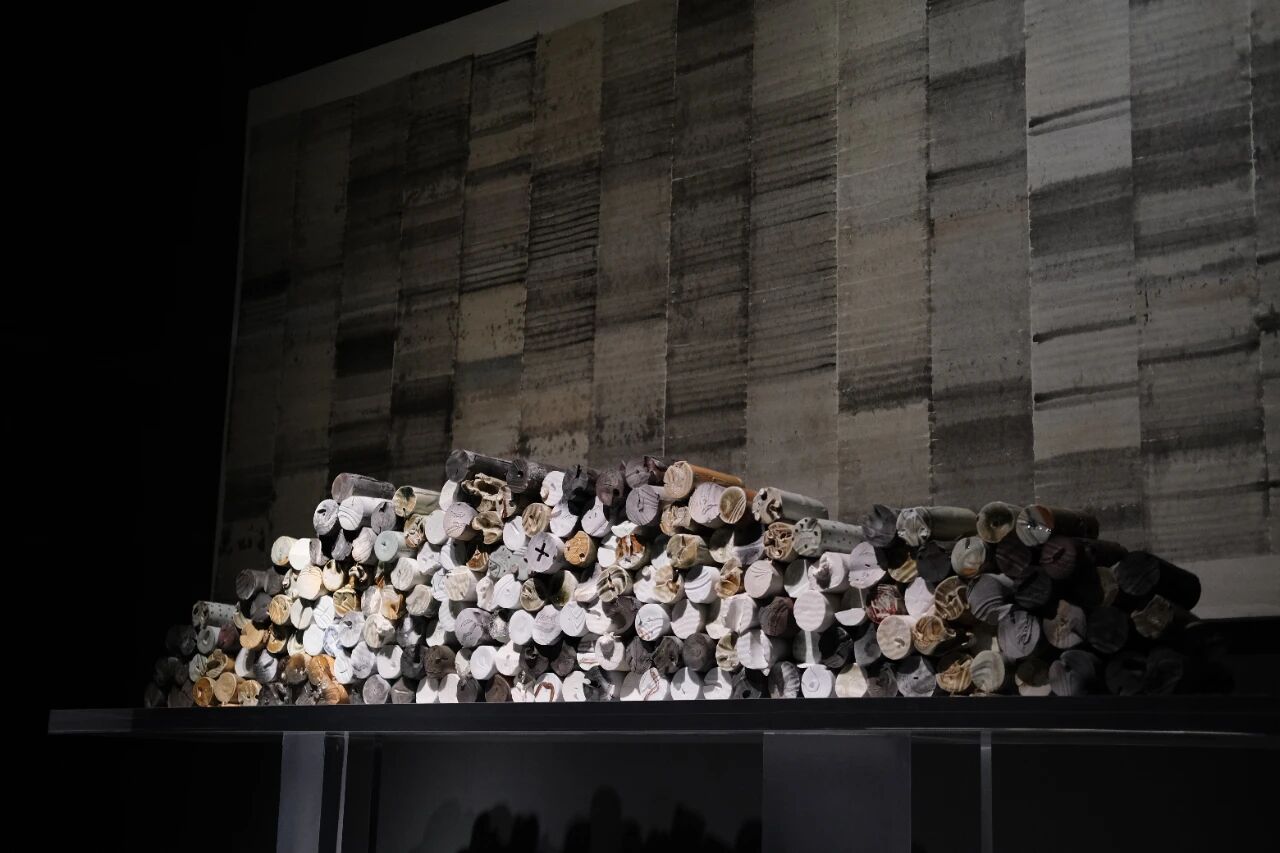
A:My connection with Jingdezhen has never been confined to surface-level links such as material choice or formal resemblance. The city’s unique qualities have always been the core driving force of my creation. Many people misunderstand my work—those pieces that lean toward installation or sculpture, or those that create fractured material textures through different firing methods, are often seen as unrelated to Jingdezhen. Yet it is precisely these explorations that constitute the process of building a deeper relationship with the city.
Jingdezhen’s current aesthetic landscape has, in fact, fallen into a certain monotony. People are accustomed to pursuing “making the material obey,” treating technique and control as the core of creation, insisting that materials submit to human will and serve preconceived ideas. I have long stepped outside this mindset. Once we have mastered the ability to make materials submit to technique, what becomes truly worth exploring is letting go of control and listening to the “language” of the material. If we do not intervene deliberately, what forms might the material naturally grow into? If we engage in an equal dialogue with the material—embracing it—what new possibilities might emerge?
When I shifted my creative direction with these questions in mind, a change in style followed naturally. I no longer attempt to force predetermined ideas through specific forms. Instead, by letting go of subjective obsession, I allow the authenticity of the material itself to take center stage. Paradoxically, the works end up carrying clearer and more compelling viewpoints. This is my deepest connection with Jingdezhen—not adhering to its existing creative paradigms, but expanding its expressive boundaries by listening to the material.
Q:Many people regard you as both a driver and a practitioner of contemporary ceramic art, yet you describe yourself as a traditional ceramic artist. How do you understand “tradition”?
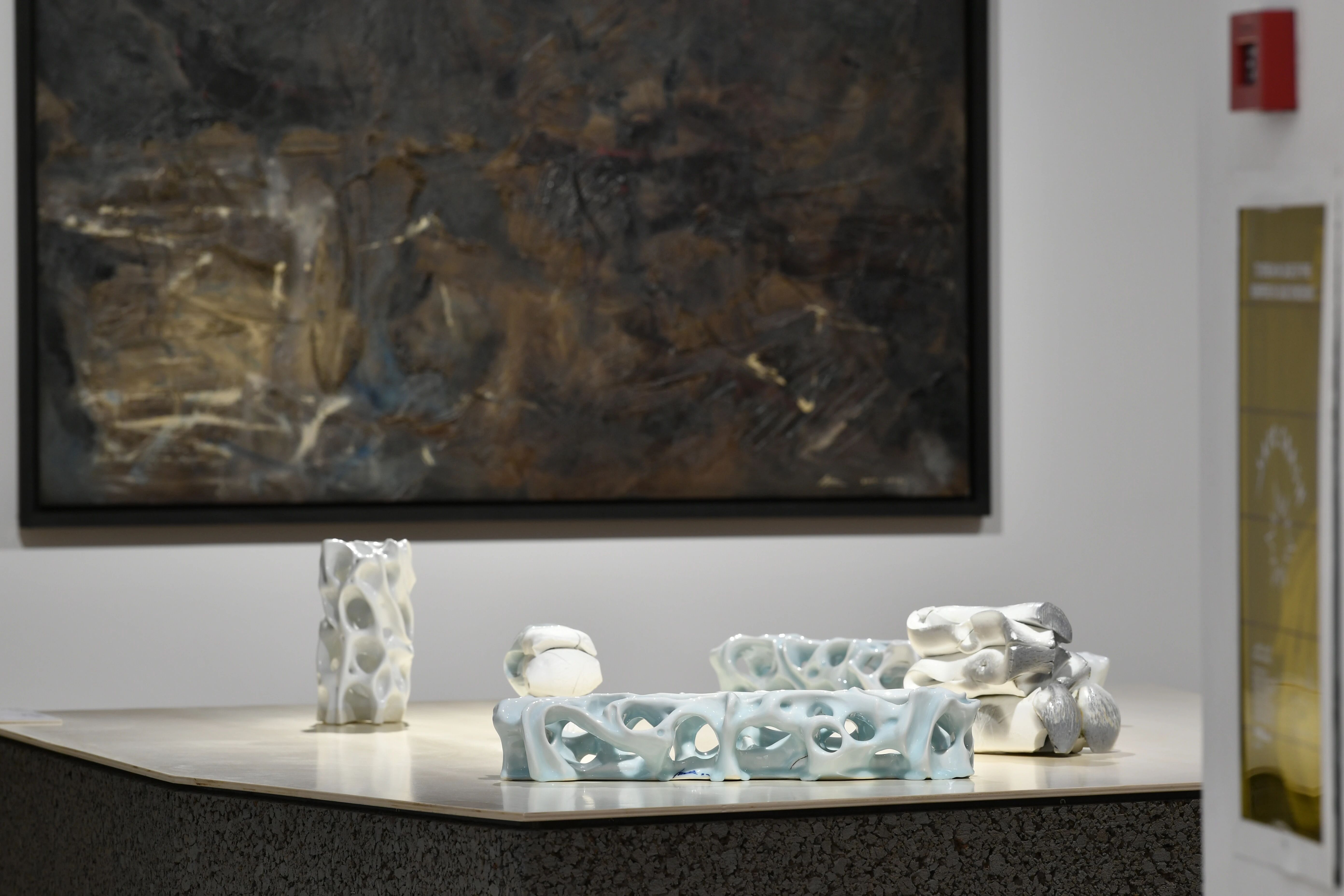
A:Indeed, when I held exhibitions in France, Portugal, Belgium, and the United States, the academic framing often described me as an inheritor of Chinese traditional ceramics. Do they really understand what that means? Perhaps not. The key lies in the perspective from which the question is approached. I myself do not consider my work contemporary or modern; at heart, I am a traditional ceramic artist. The difference lies in how tradition is understood.
The tradition I uphold is not symbolized by technique or by imitating the past. The materials I use are from Jingdezhen—no new materials; the firing methods are relatively traditional and ancient; my creative approach, my attitude toward vessels, and even my involvement in designing state-gift porcelain all follow fundamentally traditional thinking.
Q:Finally, what advice would you offer to young ceramic artists—something truly worth reflecting on?
A:Young people each have their own paths of understanding. Any sweeping advice to the younger generation should be offered with caution. Rather than delivering condescending instruction, it is far more meaningful to share the confusions we have faced and the detours we have taken. Above all, we should encourage and support them, and genuinely engage with them.
2026 “The Future of Ceramics” Jingdezhen International Ceramic Art Biennale
Registration Deadline:December 31, 2025
Registration Portal:
http://www.cjicb.com/News20251211.html