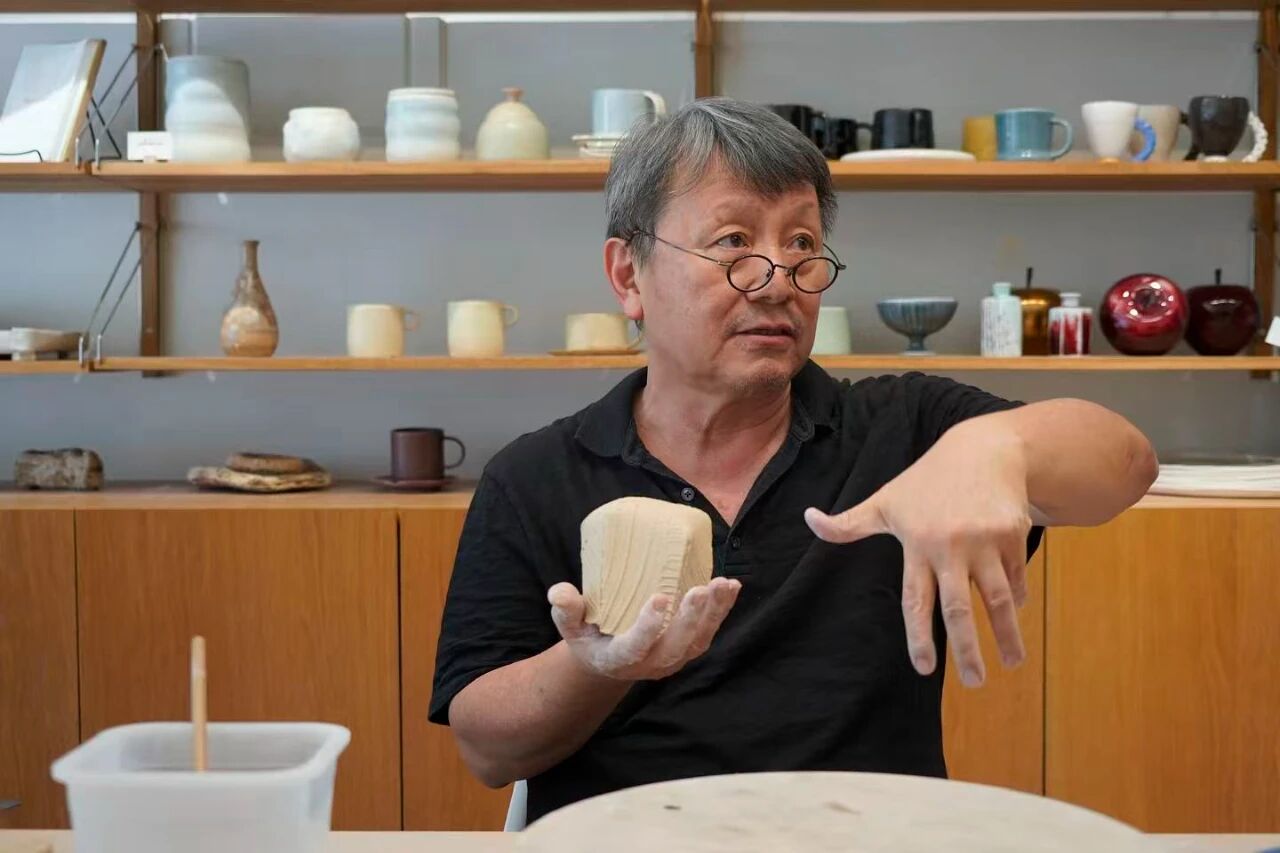
Zhang QingyuanCeramic artistProfessor and Director of the Graduate Institute of Applied Arts, Tainan National University of the Arts, Taiwan, China
Interview Notes:
In Zhang Qingyuan’s words, there is a constant thread of questioning cultural roots, reflecting on the essence of education, and expressing expectations for the younger generation. For him, ceramics is not just craftsmanship—it is a mirror of civilization and its era. The Biennale is not an endpoint; it is a starting point for dialogue and reflection. In Jingdezhen—this land both ancient and renewed—a quiet conversation about the future of ceramics is already taking shape.
Q = Yu Lingna
A = Zhang Qingyuan
Q:In your view, under the core challenge of contemporary Asian ceramics—the lack of discourse power—how does the Jingdezhen International Ceramic Art Biennale act as a game-changer?
A:Since the 1950s, the narrative system has been dominated by the West. Although China, Japan, and Korea all have long ceramic histories, they have long fallen into the path of “Westernization first, then returning to tradition.”After 1945, Japan was influenced by Western artists such as Picasso—breaking from tradition before seeking local expression. Korea took a similar path: aligning with the West first, then exploring its own identity.
China actually has the potential to form a unique discourse, since Chinese contemporary art already has significant international influence—ceramics is simply “one step slower.” The Jingdezhen Biennale is a key breakthrough: like a “cultural vaccine,” it allows us to openly absorb Western ideas, stimulating our own “antibodies” and gradually building our own narrative system—one that is neither Japanese/Korean nor Western, but uniquely ours.But we still need to break the old “scholar–artisan hierarchy,” overturning the mindset that “painters are masters while potters are craftsmen,” and allowing the artistic value of craftsmanship to be seen. This is a crucial prerequisite for ceramics to truly break through.
Q:You have participated in many international ceramic biennales. If you were to summarize the current status of the three major biennales—Mino in Japan, Icheon in Korea, and Jingdezhen in China—what would you say?
A:Japan is like a tree that once had abundant water, but whose new shoots now struggle to grow. Korea is also a tree—average in size—with adequate but not abundant water, producing ordinary new shoots.Jingdezhen, however, is an ancient tree with deep roots and flourishing leaves, with new shoots sprouting everywhere—full of competition and vitality.
Q:From an Asian perspective, what is the core advantage of the Jingdezhen Biennale?
A:Both Mino and Icheon once relied on economic advantages to propel their biennales, but they now face funding difficulties and controversies over local competitions and judging.Jingdezhen’s core advantage lies in its irreplaceable cultural depth—this is the “bedrock” of the Biennale.
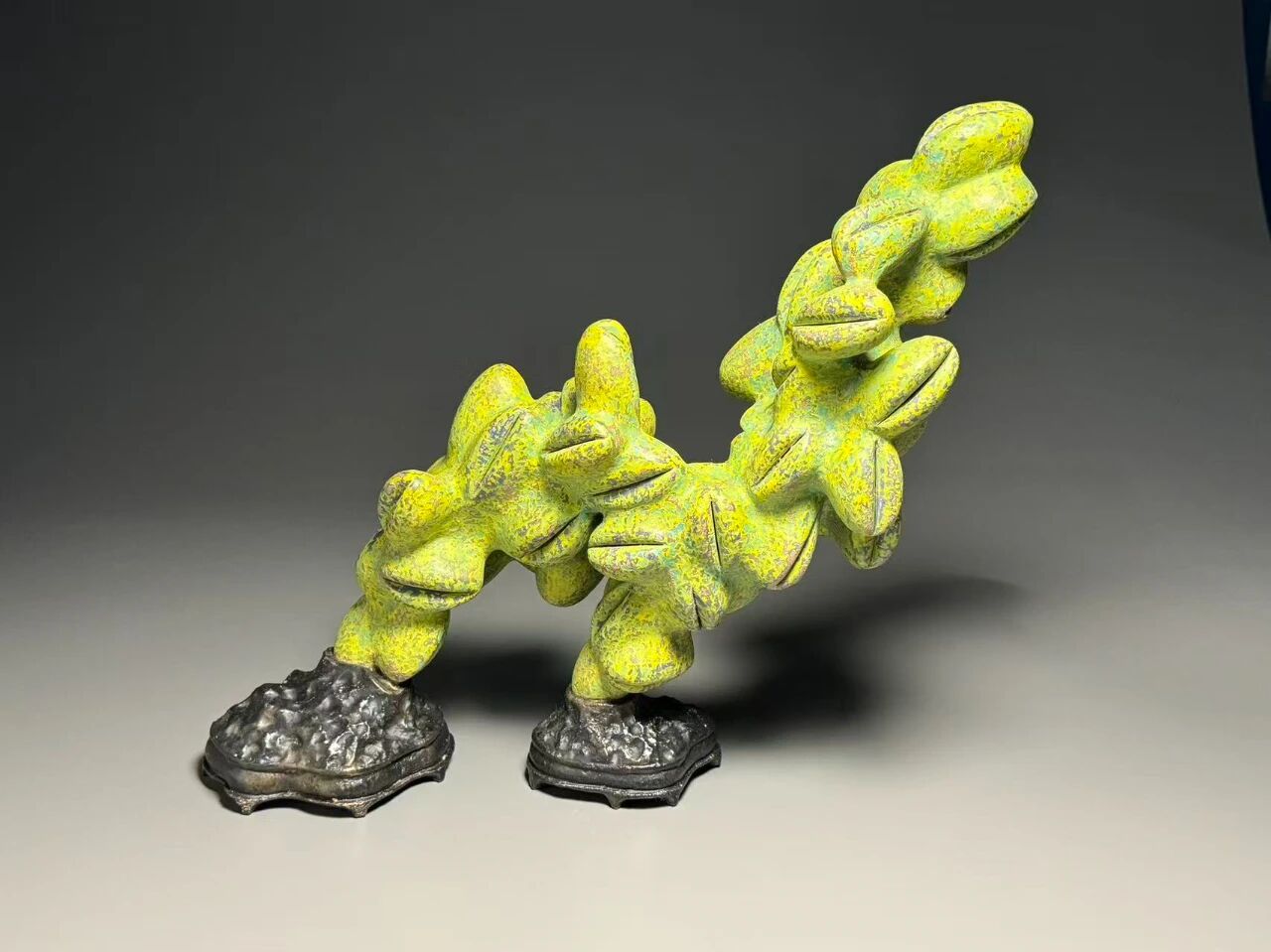
Over the past decade, Jingdezhen has attracted ceramic lovers from all over the world, forming a creative ecosystem of “limitless experimentation and diverse works.” Meanwhile, the Biennale’s jury brings together leading scholars and artists from around the world; its judging is relatively fair and far less disputed than many other competitions. It has become a central platform recognized by the global ceramics community, drawing enthusiastic participation from ceramic artists worldwide.
Q:The Biennale has already hosted two successful editions. Having traveled frequently between Jingdezhen Ceramic University and the China Academy of Art, what are your overall impressions of the two editions?
A:Over the last decade, Jingdezhen has attracted people from all over the world who love ceramics—it is a place where energy gathers intensely and where anything seems possible.I see many young people learning from international works online; this is good—learning the techniques and vision of masters is essential. But the key is to “look deeper”—not only at forms and beauty, but at the historical, spatial, and cultural thinking behind the works.Many young creators today have impressive technical skills, yet their works often feel “familiar.” Fortunately, some young artists already have both solid technique and a strong individual core—they are no longer “technically skilled but conceptually hollow,” and are beginning to carve out their own paths.
Q:You encourage students to use mature works for competitions rather than creating specifically for competitions. What is the underlying logic of this educational approach?
A:School is the crucial period for creators to discover the “meaning of their own creation.”
Works created solely for competitions often deviate from true creative intention. Do not create for competitions—let creation be a natural, ongoing process. Use mature works for competition and exchange, avoiding the trap of “creating for the sake of awards.”
Creation should arise from continuous exploration and response to materials, culture, and life. With mature works, you enter competitions with a steadier mindset and a longer, more sustainable path.
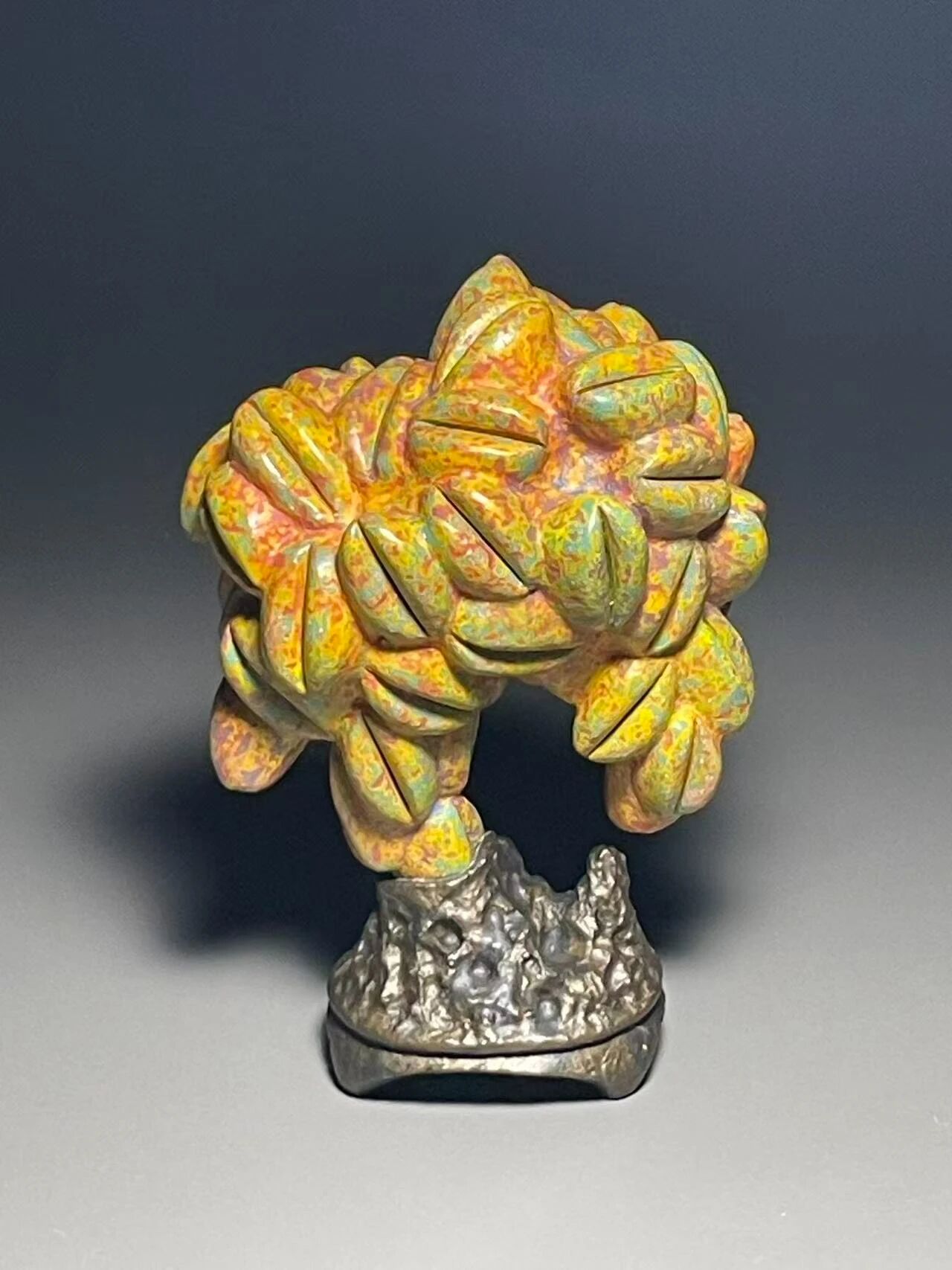
Graduates have already built up a foundation of creative understanding; international competitions are the best way for them to gain visibility and connect with broader industry resources, laying groundwork for professional development.
Q:What suggestions do you have for the future development of the Jingdezhen Biennale?
A:Beyond competitions, curation and conceptual guidance should be strengthened.
Through curatorial themes, we can focus on important phenomena and trends in contemporary ceramics, helping audiences—especially young creators—not only appreciate “good works,” but understand the ideas and motivations behind them. This is more educationally meaningful than simply showing artworks.
Traditional ceramic artisans need to improve their sensitivity to contemporary life and aesthetics. Their techniques are irreplaceable, but thespirit of their works must resonate with 21st-century cultural contexts, rather than remain within the aesthetic logic of the Ming–Qing dynasties.
Q:As the boundaries of ceramic art continue to expand, what breakthroughs do you expect in the next decade?
A:The core of expanding boundaries is openness. Blue-and-white painting on the body, unfired clay, performance, video—these have all already entered the expressive realm of ceramic art.
In the next ten years, I most look forward to the dialogue between technology and ceramics. The younger generation grew up with technology—how they use ceramics to respond to issues such as artificial intelligence and virtual reality will be a significant breakthrough.
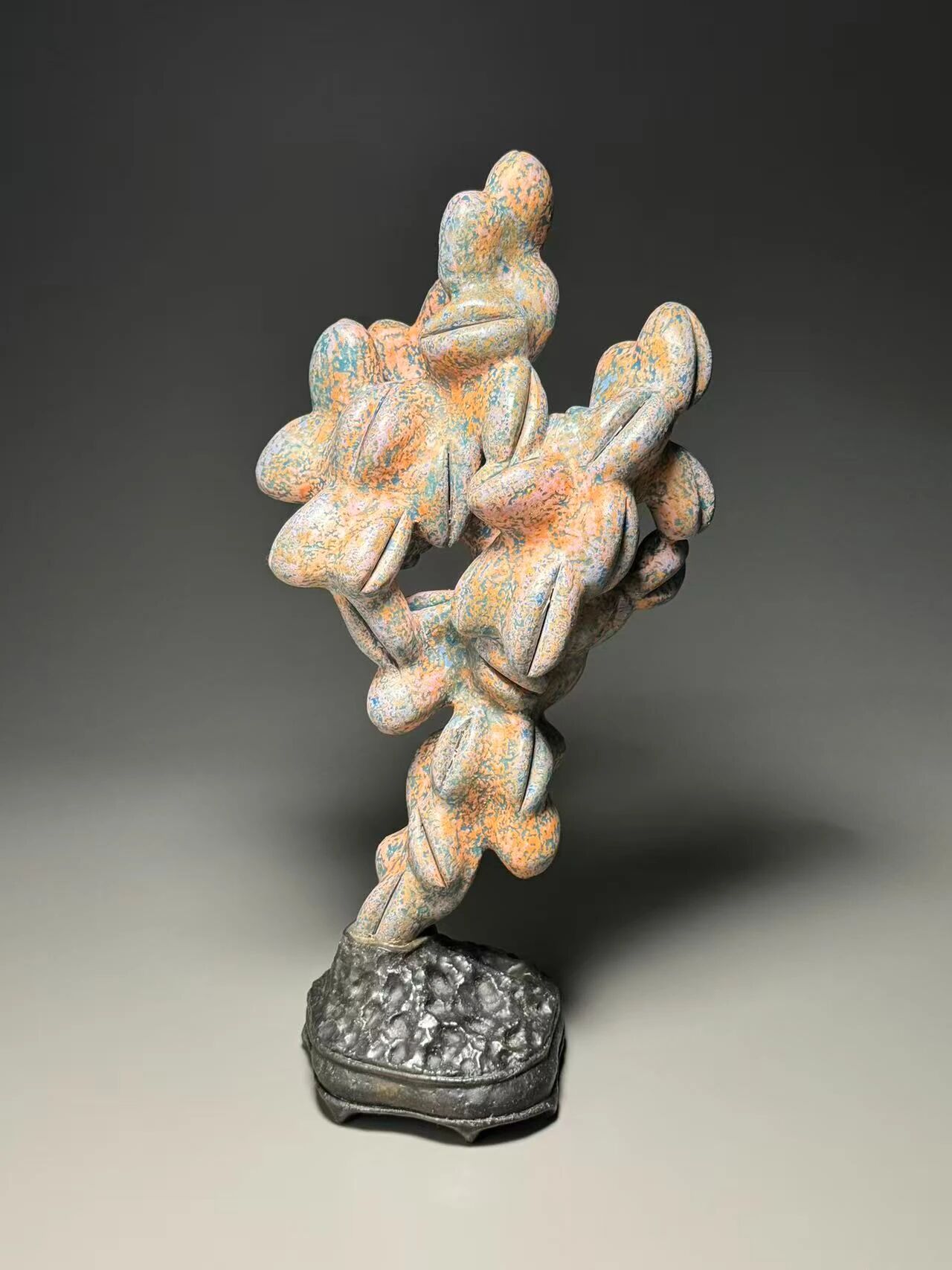
As for AI-created works, as long as they move people and expand understanding, I do not object to their presence in ceramic exhibitions—just like Duchamp’s readymades. What matters is the concept and the choice.
But remember: technology is a tool. It cannot replace the value of handcraft. The communication between the hand and the material is the irreplaceable core of ceramic art—this must never be lost.
Q:Lastly, what would you say to young ceramic artists about maintaining courage and innovation?
A:It is simple, yet the most difficult: keep doing it.
Do not create for competitions; create for expression.
Courage and innovation come from persistence—day after day. Only through continuous creative practice can true breakthroughs occur.
Keep creating. Keep questioning. Keep examining yourself.
This is the path an artist must walk.